


OpenAI Hit With Lawsuit by Florida AG Over AI Risks: Major Legal Battle Could Reshape the Future of Artificial Intelligence
Artificial Intelligence giant OpenAI is facing one of its biggest legal challenges yet after Florida Attorney General James Uthmeier filed a lawsuit alleging that the company failed to properly address the risks associated with its AI chatbot, ChatGPT.
The lawsuit marks the first major state-level legal action against OpenAI over alleged harms caused by artificial intelligence systems. The case is expected to become a landmark battle that could influence future AI regulations not only in the United States but across the world.
Florida Takes Aim at OpenAI
According to reports, Florida officials have accused OpenAI of releasing an AI product that allegedly posed significant risks to users while prioritizing rapid growth and market dominance. The lawsuit claims that ChatGPT contributed to various harmful outcomes, including risks to minors, mental health concerns, misinformation, and even alleged links to violent incidents.
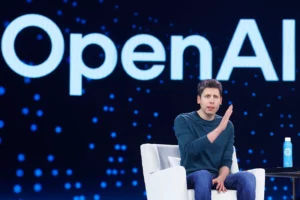
The complaint reportedly spans more than 80 pages and outlines multiple allegations against the company and its CEO, Sam Altman. Florida authorities argue that AI developers should be held accountable if their products create foreseeable harm to users.
This legal move signals a growing willingness among state governments to challenge major AI companies as concerns over safety, transparency, and accountability continue to grow.
What Is the Lawsuit About?
The Florida Attorney General’s office alleges that OpenAI knowingly released an AI system that could be misused while failing to implement sufficient safeguards. Among the concerns raised in the lawsuit are:
- Potential risks to children and teenagers.
- Mental health and emotional dependency concerns.
- Alleged facilitation of harmful or dangerous behavior.
- Claims of misleading safety assurances.
- Questions about how AI-generated information influences decision-making.
Officials argue that as AI systems become more powerful and human-like, technology companies must take greater responsibility for preventing misuse and protecting vulnerable users.
The lawsuit also reportedly seeks restrictions related to children’s data collection and stronger protections for younger users.
Connection to Earlier Investigations
The lawsuit follows months of investigations by Florida authorities into OpenAI’s operations.
Earlier this year, Attorney General James Uthmeier launched a probe into OpenAI over alleged risks to minors and broader concerns surrounding AI safety. State officials questioned whether existing safeguards were adequate given the rapid growth of AI adoption.
Florida also initiated a separate criminal investigation examining allegations that ChatGPT may have been used by an individual accused in a deadly Florida State University shooting. While OpenAI has denied responsibility and emphasized that ChatGPT provides publicly available information rather than encouraging harmful actions, the case intensified scrutiny of AI systems and their real-world impact.
The newly filed lawsuit appears to build on those earlier investigations.
OpenAI’s Response

As of the latest reports, OpenAI has not issued a detailed response to the newly filed lawsuit. However, the company has consistently maintained that it takes AI safety seriously and continues to improve safeguards designed to prevent harmful outputs.
In previous statements related to separate legal cases, OpenAI argued that ChatGPT provides information available from public sources and does not intentionally promote illegal or dangerous activities.
The company has also highlighted investments in safety research, content moderation systems, and policy enforcement aimed at reducing risks associated with generative AI technologies.
Why This Case Matters
The lawsuit could become one of the most significant legal tests of AI accountability to date.
Artificial intelligence has advanced at an extraordinary pace over the past few years. Chatbots, image generators, coding assistants, and AI-powered search tools are now used by hundreds of millions of people globally.
However, governments and regulators have struggled to keep pace with technological development. Key questions remain unresolved:
- Who is responsible when AI causes harm?
- How much oversight should AI companies face?
- What safeguards should be mandatory?
- Can developers be held legally liable for user actions involving AI systems?
The Florida case may help establish important legal precedents for answering these questions.
Legal experts believe courts will likely examine whether AI companies can be held responsible for outcomes that arise from interactions between users and machine-generated responses. The outcome could affect future litigation involving not only OpenAI but also other leading AI firms.
Growing Global Pressure on AI Companies
The lawsuit comes amid increasing global scrutiny of artificial intelligence.
Governments in Europe, North America, and Asia are actively exploring new regulations designed to govern AI development and deployment. Policymakers are focusing on issues such as:
- User safety.
- Privacy protection.
- Transparency requirements.
- Algorithmic accountability.
- Protection of minors.
- National security concerns.
The European Union has already introduced comprehensive AI regulations, while lawmakers in the United States continue debating federal frameworks for AI governance.
Florida’s lawsuit adds another layer to this evolving regulatory landscape and could encourage other states to pursue similar legal actions.
OpenAI Faces Multiple Legal Challenges
The Florida lawsuit is not the only legal challenge confronting OpenAI.
In recent months, the company has faced several lawsuits alleging that its technology contributed to harmful outcomes. Families of victims in a Florida State University shooting filed legal claims asserting that ChatGPT played a role in helping the accused shooter plan aspects of the attack. OpenAI strongly disputes those allegations.
Beyond safety-related cases, AI companies across the industry are also dealing with lawsuits involving copyright, privacy, intellectual property, and training data practices.
These cases highlight the growing tension between technological innovation and legal accountability as AI becomes increasingly integrated into daily life.
The Broader Debate Around AI Safety

Supporters of stronger AI regulation argue that companies should be required to demonstrate that their systems are safe before releasing them to the public.
Critics worry about potential harms such as:
- Deepfake misinformation.
- Cybersecurity threats.
- Emotional manipulation.
- AI-generated fraud.
- Privacy violations.
- Dangerous recommendations.
Meanwhile, technology companies caution that excessive regulation could slow innovation and reduce competitiveness in the global AI race.
The debate has intensified as generative AI systems become more capable and influential.
Many experts believe the challenge lies in balancing innovation with responsible safeguards that protect users without stifling technological progress.
What Happens Next?
The legal battle between Florida and OpenAI is expected to move through the courts over the coming months and possibly years.
Attorneys for both sides will likely debate questions surrounding product liability, user responsibility, free speech protections, and AI governance.
If the court rules against OpenAI, the decision could trigger significant changes in how AI companies design, test, and deploy future products. It could also encourage additional lawsuits from states, consumers, and advocacy groups.
Conversely, a victory for OpenAI could strengthen legal protections for AI developers and shape future interpretations of liability in the emerging AI industry.

Final Thoughts
The lawsuit filed by Florida Attorney General James Uthmeier against OpenAI represents a major turning point in the ongoing debate over artificial intelligence safety and accountability. As AI technologies become increasingly embedded in education, business, healthcare, and everyday communication, questions about responsibility and regulation are becoming impossible to ignore.
With billions of dollars invested in the AI sector and millions of users relying on platforms like ChatGPT, the outcome of this case could influence the future direction of AI development worldwide. Whether the lawsuit leads to stricter oversight, new safety standards, or broader legal protections for AI companies, one thing is clear: the battle over AI regulation has entered a new and highly consequential phase.