

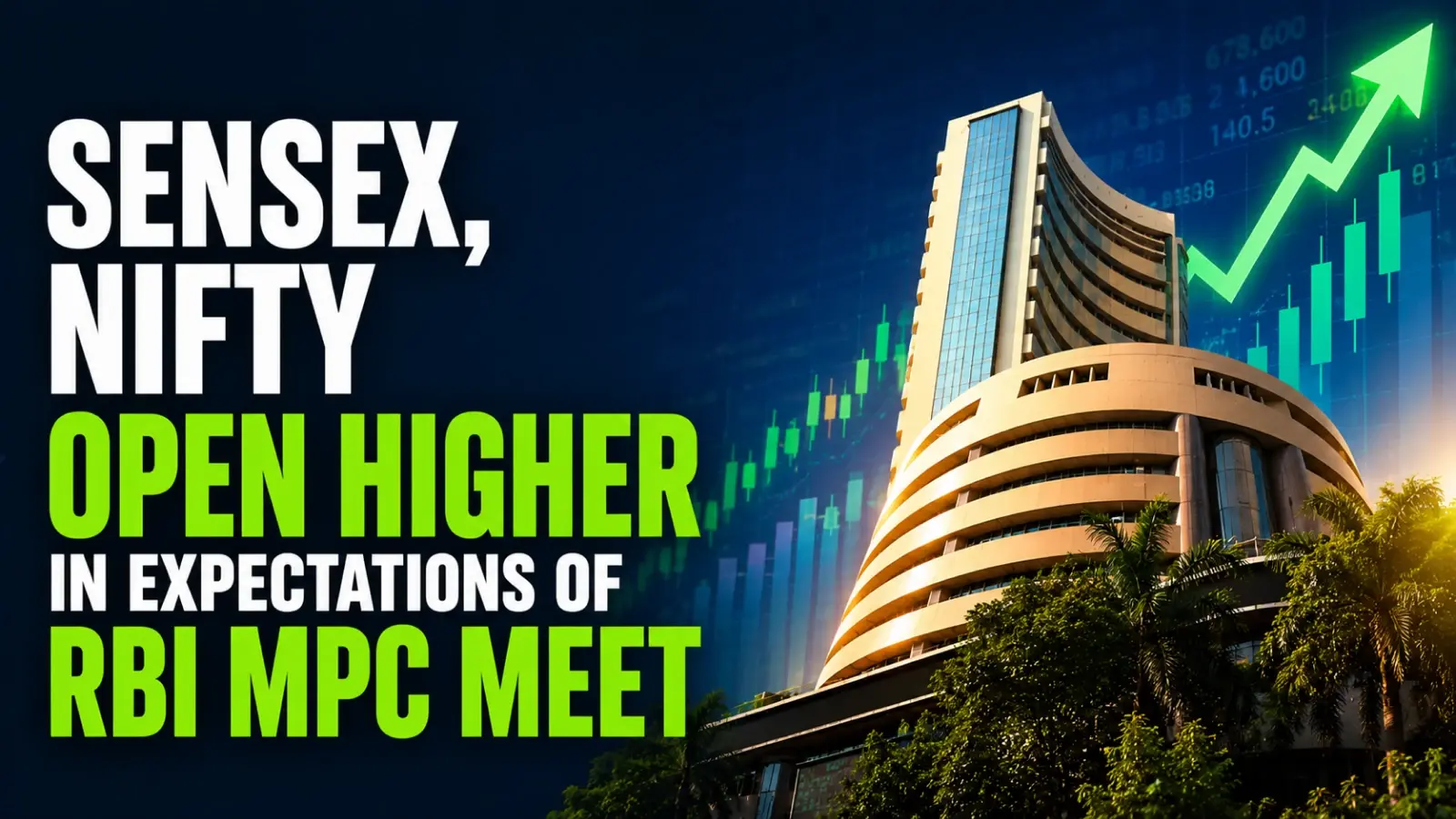
Sensex and Nifty Today: Indian Stock Market Shows Resilience Amid Global Uncertainty
Sensex and Nifty Remain Key Indicators of India’s Economic Strength in 2026
India’s stock market continues to attract significant attention from investors, traders, and financial institutions worldwide. The benchmark indices, Sensex and Nifty, have become the primary indicators of the country’s economic performance and investor sentiment. As market volatility increases due to global economic developments, geopolitical tensions, and changing monetary policies, investors closely track every movement in these two major indices.
In 2026, the Indian stock market remains one of the fastest-growing equity markets globally. Despite periodic corrections and profit-booking sessions, the broader outlook for Indian equities continues to be positive due to strong economic growth, robust corporate earnings, and increasing participation from retail investors.
Recent trading sessions have witnessed fluctuations in both Sensex and Nifty as investors react to domestic and international developments. However, market experts believe that India’s long-term growth story remains intact.
What Are Sensex and Nifty?
For investors entering the stock market, understanding Sensex and Nifty is essential.
Sensex
The Sensex, officially known as the Sensitive Index, is the benchmark index of the Bombay Stock Exchange (BSE). It consists of 30 of India’s largest and most financially stable companies across various sectors.
The index reflects the overall performance of major listed companies and serves as a barometer of market sentiment.
Nifty
The Nifty 50 is the benchmark index of the National Stock Exchange (NSE). It tracks the performance of 50 leading companies from diverse industries.
Together, Sensex and Nifty provide investors with a comprehensive picture of the Indian equity market.
Recent Market Performance Draws Investor Attention
The Indian stock market has experienced periods of both optimism and caution in recent months.
Investors have been monitoring:
- Corporate earnings reports
- RBI policy decisions
- Global interest rate trends
- Crude oil prices
- Foreign Institutional Investor (FII) activity
- Domestic economic indicators
Positive economic data has supported investor confidence, while global uncertainties have occasionally triggered market corrections.
Analysts note that such fluctuations are a natural part of healthy market cycles.
Why Sensex and Nifty Move Every Day
Stock market indices do not rise or fall randomly.
Several factors influence daily movements in Sensex and Nifty.
Corporate Earnings
Strong earnings reports generally boost investor confidence and push indices higher.
When companies report better-than-expected profits, investors view it as a sign of economic strength.
Interest Rates
The Reserve Bank of India plays a crucial role in market direction.
Lower interest rates often encourage investments and business expansion, supporting stock prices.
Higher rates, on the other hand, can reduce liquidity and impact valuations.
Global Markets
Indian markets are closely connected to global financial systems.
Developments in the United States, Europe, China, and other major economies often influence investor sentiment in India.
Foreign Institutional Investors (FIIs)
FIIs contribute significantly to market liquidity.
Large inflows typically support market rallies, while heavy outflows can trigger declines.
Crude Oil Prices
India imports a large portion of its energy requirements.
Rising oil prices may increase inflationary pressures and impact market sentiment.
Banking and IT Stocks Continue to Drive Market Momentum
Banking and Information Technology sectors remain among the biggest contributors to Sensex and Nifty performance.
Banking Sector
Private and public sector banks continue to benefit from:
- Strong credit growth
- Improved asset quality
- Increased lending activity
- Digital banking adoption
Investors remain optimistic about the long-term prospects of India’s banking industry.
IT Sector
India’s technology companies continue to play a major role in global digital transformation.
Demand for:
- Artificial Intelligence solutions
- Cloud computing
- Cybersecurity services
- Digital consulting
has helped support revenue growth for major IT firms.
Strong performances from banking and IT stocks often have a significant impact on benchmark indices.
Retail Investor Participation Reaches New Highs
One of the most important developments in recent years has been the rapid increase in retail investor participation.
Millions of Indians have entered equity markets through:
- Direct stock investments
- Mutual funds
- SIPs (Systematic Investment Plans)
- Exchange Traded Funds (ETFs)
The rise of online trading platforms and financial awareness campaigns has made investing more accessible than ever.
Experts believe this growing retail participation provides additional stability to the market.
Foreign Investors Continue to Monitor India Closely
Global investors view India as one of the most attractive emerging markets.
Several factors support this positive outlook:
- Strong GDP growth
- Political stability
- Expanding middle class
- Manufacturing growth
- Digital economy expansion
- Infrastructure investments
Foreign funds continue to allocate capital to Indian equities despite short-term market fluctuations.
Long-term investors remain optimistic about India’s economic trajectory.
Key Sectors Supporting Market Growth
Apart from banking and technology, several sectors are contributing to the market’s strength.
Automobile Sector
Rising consumer demand and electric vehicle adoption continue to support automobile companies.
Infrastructure
Government spending on roads, railways, airports, and logistics projects is driving growth opportunities.
Pharmaceuticals
Indian pharmaceutical firms remain important players in global healthcare markets.
Consumer Goods
Increasing disposable income and urbanization continue to support consumer-focused companies.
The diversity of growth drivers strengthens the overall market outlook.
Challenges Facing the Stock Market
Despite positive fundamentals, investors remain aware of potential risks.
Global Economic Slowdown
Weak growth in major economies can affect exports and investor sentiment.
Inflation Pressures
Persistent inflation can influence monetary policy decisions.
Geopolitical Tensions
International conflicts and trade disputes can create uncertainty in global markets.
Currency Volatility
Fluctuations in the Indian Rupee may impact certain sectors and foreign investment flows.
Investors are advised to monitor these factors while maintaining a long-term perspective.
Expert Outlook on Sensex and Nifty
Market analysts remain broadly positive about India’s long-term growth prospects.
According to experts, the following factors could support future market performance:
- Continued economic expansion
- Infrastructure development
- Manufacturing growth initiatives
- Digital transformation
- Strong corporate earnings
- Rising domestic investments
While short-term volatility is expected, many analysts believe the broader trend remains favorable for long-term investors.
Investment Strategies During Market Volatility
Experienced investors often follow disciplined approaches during uncertain market conditions.
Popular strategies include:
Systematic Investing
Regular investments through SIPs help reduce the impact of market fluctuations.
Diversification
Spreading investments across sectors can reduce risk.
Long-Term Focus
Successful investors often focus on long-term wealth creation rather than short-term market movements.
Research-Based Decisions
Investors are encouraged to evaluate company fundamentals before making investment decisions.
These strategies can help navigate volatile market environments more effectively.
India’s Stock Market Outlook for 2026

India continues to be viewed as one of the world’s most promising investment destinations.
Several structural factors support future growth:
- Young population
- Expanding economy
- Digital adoption
- Infrastructure modernization
- Rising consumer demand
These trends are expected to contribute positively to corporate earnings and market performance over the coming years.
As a result, both Sensex and Nifty are likely to remain closely watched indicators of India’s economic progress.
Conclusion
Sensex and Nifty continue to play a central role in India’s financial landscape, reflecting the performance of the country’s largest and most influential companies. While short-term market fluctuations remain inevitable, the broader outlook for Indian equities remains supported by strong economic fundamentals, growing retail participation, and sustained foreign investor interest.
As investors navigate an evolving global environment, staying informed about market trends, corporate earnings, and economic developments will remain essential. Whether markets move higher or experience temporary corrections, Sensex and Nifty will continue to serve as vital benchmarks for understanding the direction of India’s stock market and economy in 2026.