

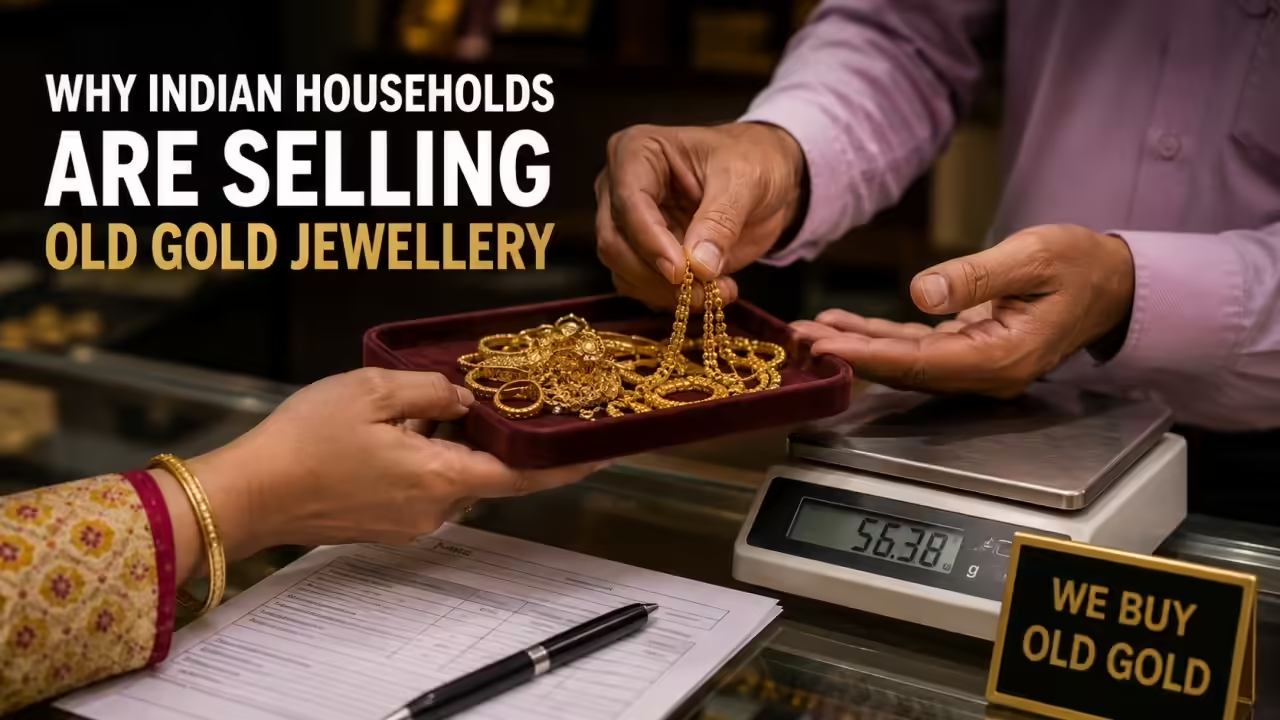
Indian Households Selling Old Gold as Record Prices Create New Opportunities
India’s deep-rooted love for gold has traditionally been associated with buying and preserving jewellery for generations. However, a new trend is emerging in 2026, with Indian households selling old gold as prices remain near record highs.
Jewellers and bullion dealers across the country are witnessing a noticeable increase in customers bringing old ornaments, coins, and unused jewellery for sale or exchange. Instead of holding idle gold for years, many families are choosing to monetize their assets and take advantage of elevated prices.
The trend reflects changing consumer behaviour as households become more financially aware and look to optimize their investments.
Why Are Indian Families Selling Old Gold?
Several factors are driving this growing trend.
1. Record High Gold Prices
Gold prices have witnessed a significant rise over the past few years due to global economic uncertainty, inflation concerns, geopolitical tensions, and strong demand from central banks.
Higher prices have encouraged many households to sell jewellery purchased years ago at much lower rates, allowing them to realize substantial gains.
2. Portfolio Rebalancing
Financial advisors increasingly recommend diversification rather than concentrating wealth in a single asset.
Many investors are selling part of their old gold holdings and reallocating funds toward:
- Mutual funds
- Equity investments
- Fixed-income instruments
- Real estate
- Business expansion
- Emergency savings
This shift reflects a broader move toward structured financial planning.
3. Funding Major Expenses
Families are also using proceeds from old gold sales to meet significant financial needs such as:
- Children’s education
- Home purchases
- Medical expenses
- Wedding costs
- Business investments
- Debt repayment
Selling unused jewellery often provides immediate liquidity without the need for loans.
4. Jewellery Exchange Programs
Many jewellery retailers now offer attractive exchange schemes.
Customers can trade old ornaments for new designs while paying only the price difference after purity assessment.
Benefits include:
- Better valuation
- Lower making charges on selected products
- Transparent testing
- Convenient upgrades to modern jewellery
This has encouraged consumers to replace outdated ornaments with contemporary collections.
Changing Consumer Mindset
Traditionally, Indian families viewed gold as a long-term store of wealth that should rarely be sold.
Today, younger generations increasingly see gold as a financial asset rather than an emotional possession.
Consumers are becoming more comfortable with:
- Selling idle jewellery
- Investing digitally
- Diversifying portfolios
- Comparing investment returns
- Using online gold trading platforms
This changing mindset is influencing the broader precious metals market.
Impact on the Jewellery Industry
The increase in old gold sales is reshaping the jewellery business.
Many retailers report higher volumes of:
- Gold exchange transactions
- Jewellery remodelling
- Gold recycling
- Custom redesign services
Recycled gold helps manufacturers reduce dependence on imported bullion while supporting more sustainable production practices.
Gold Recycling Gains Momentum
India imports a large portion of the gold used in jewellery manufacturing.
As more households sell old jewellery, recycled gold is becoming an increasingly important source of raw material.
Benefits of recycling include:
- Reduced import dependence
- Lower environmental impact
- Efficient use of existing resources
- Faster production cycles
- Cost savings for manufacturers
The trend aligns with global efforts to promote sustainable resource management.
Should You Sell Old Gold?
Whether selling old gold is the right decision depends on individual financial circumstances.
Selling may be appropriate if:
- Jewellery is no longer used.
- You need funds for important financial goals.
- Gold forms a disproportionately large share of your investments.
- You plan to upgrade to newer jewellery designs.
However, sentimental heirlooms or long-term investment holdings may warrant a different approach.
Tips Before Selling Old Gold
To ensure you receive a fair value, consider the following:
Check the Current Gold Rate
Compare prices offered by multiple jewellers and bullion buyers before making a decision.
Verify Purity
Have your jewellery tested using certified purity testing methods to determine its exact gold content.
Understand Deductions
Ask about:
- Melting charges
- Refining fees
- Service charges
- Weight deductions (if applicable)
Keep Purchase Documents
Original invoices or hallmark certificates can simplify the valuation process.
Choose Reputed Buyers
Sell only to trusted jewellers or certified bullion dealers with transparent pricing practices.
Is This Trend Likely to Continue?
Market experts believe the trend could continue if gold prices remain elevated.
Future sales will depend on factors such as:
- International gold prices
- Inflation trends
- Interest rates
- Domestic economic conditions
- Consumer confidence
If prices remain attractive, more households may choose to monetize idle gold holdings.
What It Means for Investors
The growing volume of old gold entering the market does not necessarily indicate weakening demand for gold.
Instead, it reflects:
- Profit booking
- Better financial planning
- Asset reallocation
- Portfolio diversification
Many investors continue to buy gold through digital platforms, exchange-traded funds (ETFs), and bullion while simultaneously selling unused jewellery.
Frequently Asked Questions (FAQs)
Why are Indian households selling old gold?
Record-high gold prices, financial planning needs, portfolio diversification, and jewellery exchange programs are encouraging many households to sell unused gold ornaments.
Is selling old gold a good financial decision?
It depends on your financial objectives. Selling unused jewellery to fund important expenses or diversify investments may be beneficial, while sentimental or long-term holdings may be worth retaining.
How can I get the best price for old gold?
Compare offers from multiple reputed jewellers, verify the purity of your gold, understand any deductions, and monitor the prevailing market price before selling.
Does recycled gold affect jewellery quality?
No. Once refined, recycled gold meets the same purity standards as newly sourced gold and is widely used in jewellery manufacturing.
Final Verdict
The rise in Indian households selling old gold highlights an important shift in consumer behaviour. While gold continues to hold cultural and financial significance, many families are now viewing it as an active asset that can be monetized when market conditions are favourable.
Record-high prices, improved financial awareness, and convenient jewellery exchange programs have encouraged consumers to unlock the value of idle gold holdings. At the same time, increased recycling benefits the jewellery industry by reducing import dependence and supporting sustainable production.
As India’s financial landscape evolves, gold is likely to remain an essential part of household wealth—but consumers are becoming more strategic about when to buy, hold, exchange, or sell. This changing approach reflects a more balanced view of gold as both a cherished tradition and a dynamic financial asset.