

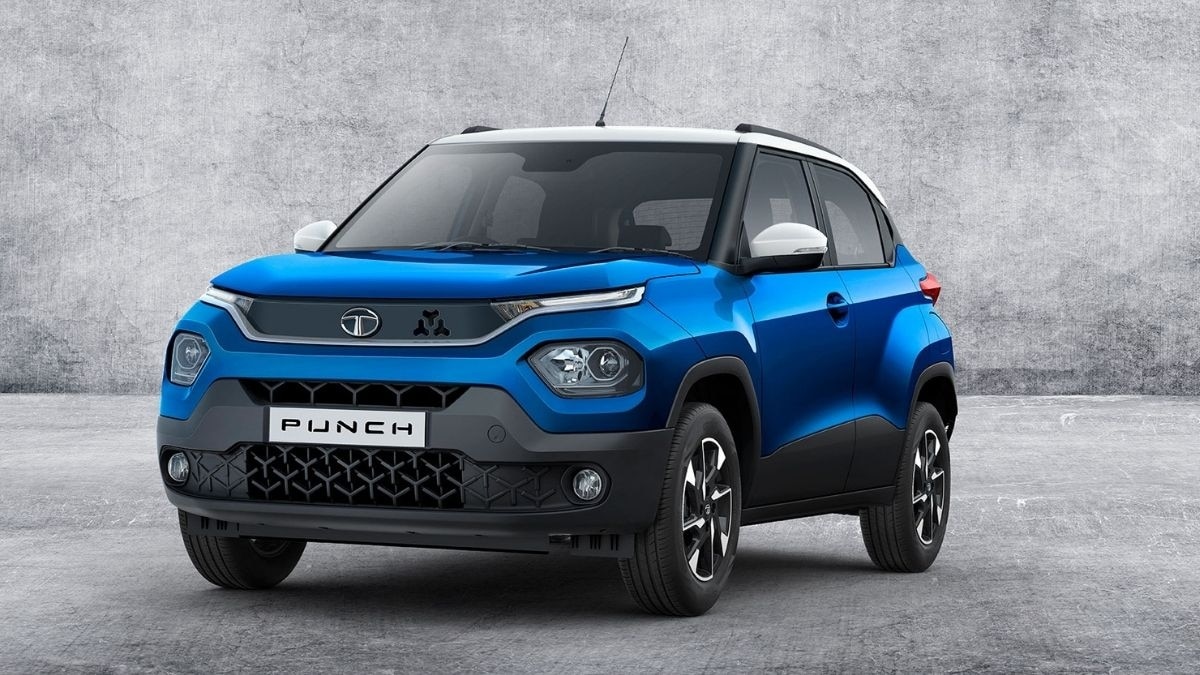
Tata Punch 2026: Price, Features, Mileage, Engine Options and Safety Details
Introduction
The Tata Punch continues to attract attention in India’s affordable SUV market, offering compact dimensions, SUV-inspired styling and a practical cabin for everyday driving. The 2026 facelift has made the model more appealing by introducing a refreshed exterior, additional technology, a turbo-petrol engine and a CNG automatic option.
Tata Motors launched the updated Punch in January 2026. Its latest price revision, announced in September, increased prices by up to ₹10,000 on selected variants. The current indicative ex-showroom price range is approximately ₹5.75 lakh to ₹10.77 lakh.
The vehicle is designed for buyers who want the road presence of an SUV without moving into a larger, more expensive segment. Its five-seat layout, available automatic transmission and petrol-CNG choices make it suitable for different driving requirements.
Here is a detailed look at the Tata Punch price, engine specifications, features, mileage considerations and reasons to consider this compact SUV.
Tata Punch 2026 Price in India
The Tata Punch is available in several variants, ranging from the entry-level Smart trim to feature-rich Accomplished+ S versions.
| Details | Information |
|---|---|
| Starting ex-showroom price | Approximately ₹5.75 lakh |
| Top-end ex-showroom price | Approximately ₹10.77 lakh |
| Seating capacity | 5 passengers |
| Fuel options | Petrol and CNG |
| Transmission options | 5-speed manual, 5-speed AMT, 6-speed manual on turbo variants |
| Body type | Micro-SUV |
| Main rivals | Hyundai Exter, Citroen C3, selected Renault Kiger and Nissan Magnite variants |
Prices are indicative and may vary by variant, location and dealership offers. The final on-road price will include registration, insurance and other applicable charges.
The base model can appeal to budget-conscious buyers who want an SUV-style vehicle. Mid-range variants offer additional convenience features, while higher trims provide a larger infotainment system, a sunroof and more advanced parking assistance.
Customers should compare the equipment offered by each trim before deciding which version provides the best value.

Exterior Design: A More Modern SUV Look
The 2026 Tata Punch facelift receives styling updates inspired by Tata’s newer SUV lineup, including the electric Punch.
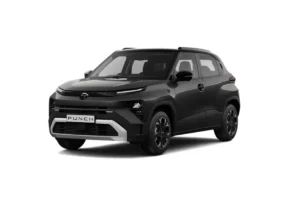
At the front, revised lighting elements, a redesigned bumper and a stronger-looking fascia give the vehicle a more contemporary appearance. The upright bonnet and black body cladding maintain its rugged character.
The side profile retains the compact proportions that make the Punch convenient for urban driving. Selected variants feature 16-inch alloy wheels, while the revised rear design includes updated lighting elements and a full-width LED light bar.
Its compact footprint can be useful when navigating narrow streets, crowded parking areas and busy city traffic. The elevated stance also provides a more SUV-like driving position than many conventional hatchbacks.
Interior and Comfort Features
Inside, the Tata Punch combines a practical cabin layout with several modern features. The facelift brings a revised steering wheel, updated controls and improved equipment availability across selected trims.
Higher variants offer a 10.25-inch touchscreen infotainment system, a 7-inch digital instrument display and wireless Android Auto and Apple CarPlay connectivity.
Other available features include:
- Electric sunroof with voice assistance
- Automatic climate control
- Rear AC vents
- Wireless smartphone charging
- USB Type-C fast charging
- Cruise control
- Connected-car technology
- Rain-sensing wipers
- Rear-view camera and 360-degree camera on selected variants
The cabin is designed to accommodate five occupants. Extended thigh support improves seating comfort, although rear-seat space and comfort should be evaluated in person, especially for families who frequently travel with three rear passengers.
Boot space is listed at approximately 366 litres for petrol versions. CNG versions have a different usable luggage arrangement, so buyers should check the actual storage capacity for their preferred configuration.
Engine Options: Petrol, Turbo-Petrol and CNG
One of the biggest improvements to the 2026 Tata Punch is its broader powertrain lineup.
1.2-litre naturally aspirated petrol engine
The standard petrol engine produces approximately 88 PS and 115 Nm of torque. It is designed for everyday commuting and regular family use.
Customers can choose between a five-speed manual gearbox and a five-speed AMT, depending on the variant.
The manual option may suit drivers who prefer direct gear control, while the AMT offers greater convenience in stop-and-go traffic.
1.2-litre turbo-petrol engine
The facelift introduces a turbocharged petrol engine producing approximately 120 PS and 170 Nm of torque, paired with a six-speed manual transmission.
This engine offers stronger acceleration than the naturally aspirated unit and may appeal to customers who regularly drive on highways or prefer a more responsive vehicle.
The turbo-petrol versions are generally positioned higher in the range, so buyers should compare their price and running costs with those of the standard petrol variants.
Petrol-CNG powertrain
The CNG option is intended for customers who want to reduce everyday fuel expenses. The Punch also offers a CNG-AMT combination, providing an automatic-style driving experience without requiring a conventional petrol automatic powertrain.
The twin-cylinder CNG arrangement helps preserve usable luggage space compared with some traditional single-cylinder layouts.
However, actual savings depend on local CNG prices, annual driving distance and the availability of filling stations.
Tata Punch Mileage: What Can Buyers Expect?
Mileage is a major consideration for people purchasing a compact SUV for daily commuting.
The standard petrol engine may suit buyers who need a balance between performance and convenience. The CNG variant may offer lower fuel costs per kilometre, particularly for drivers who cover substantial distances and have easy access to CNG stations.
The turbo-petrol version prioritises stronger performance, which may affect fuel consumption depending on driving style.
Actual mileage varies with traffic conditions, passenger load, air-conditioning use, road quality and driving habits. Buyers should check the official certified figures for the exact engine and transmission rather than relying on one mileage number for the entire range.
For a realistic comparison, consider the cost per kilometre alongside purchase price, maintenance and expected yearly usage.

Safety Features and Bharat NCAP Rating
Safety is an important part of the Tata Punch’s appeal. The facelift carries a five-star Bharat NCAP rating for adult and child occupant protection, according to published automotive reports. Buyers should consult the official assessment for the precise tested configuration and rating details.
The updated model offers six airbags as standard, along with electronic stability control, a tyre-pressure monitoring system, hill-hold assistance and ISOFIX child-seat anchors.
Other safety and driver-assistance equipment includes rear parking sensors, a reverse camera and a 360-degree camera with blind-view monitoring on selected variants.
The availability of individual features depends on the trim. Customers should verify the equipment list before booking rather than assuming every variant includes all advanced features.
Tata Punch 2026: Key Specifications
| Specification | Details |
|---|---|
| Engine capacity | 1,199cc |
| Standard petrol power | Approximately 88 PS |
| Standard petrol torque | 115 Nm |
| Turbo-petrol power | Approximately 120 PS |
| Turbo-petrol torque | 170 Nm |
| Standard petrol gearbox | 5-speed manual / AMT |
| Turbo-petrol gearbox | 6-speed manual |
| CNG transmission | Manual / AMT, depending on variant |
| Length | 3,876mm |
| Width | 1,742mm |
| Wheelbase | 2,445mm |
| Ground clearance | Approximately 193mm |
| Seating | 5 passengers |
Specifications may vary slightly by powertrain and variant. Confirm the latest details with Tata Motors before purchasing.
Tata Punch Rivals in India
The Tata Punch competes with several affordable compact SUVs.
Hyundai Exter: A direct alternative for buyers seeking a compact city vehicle with modern features and petrol-CNG options.
Citroen C3: Worth considering for customers who prefer a distinctive design and a different driving experience.
Renault Kiger: Offers a compact SUV body style and turbo-petrol options in selected variants.
Nissan Magnite: Another alternative for buyers comparing equipment, pricing and turbo-petrol performance.
The right choice depends on the final on-road price, seating comfort, fuel requirements, safety equipment and after-sales support in your area. Test-driving two or three competing models is a sensible way to make the decision.
Is the Tata Punch Worth Buying in 2026?
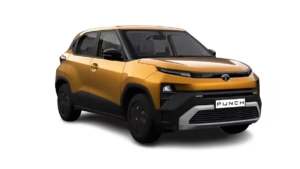
The Tata Punch is worth considering if you need a compact, five-seat vehicle with an elevated driving position, multiple powertrain options and a strong safety-focused equipment package.
The standard petrol model is suitable for general family use, while the turbo-petrol version offers more performance. The CNG-AMT variant is particularly interesting for customers who want an alternative to a conventional manual CNG vehicle.
Potential drawbacks include limited space compared with larger SUVs and the need to select a higher variant for certain premium features. Customers should also assess real-world fuel economy and local service support.
Final Verdict
The Tata Punch 2026 facelift strengthens the model’s position in India’s affordable SUV segment. Updated styling, improved cabin technology, a turbo-petrol engine and a CNG automatic option give customers more choice than before.
With an indicative ex-showroom price range of ₹5.75 lakh to ₹10.77 lakh, it caters to buyers with different budgets and driving needs.
For urban families, first-time car buyers and customers seeking a compact SUV with several powertrain choices, the Tata Punch deserves a place on the shortlist. Comparing variants carefully and checking the final on-road quotation will help identify the best version for your needs.