

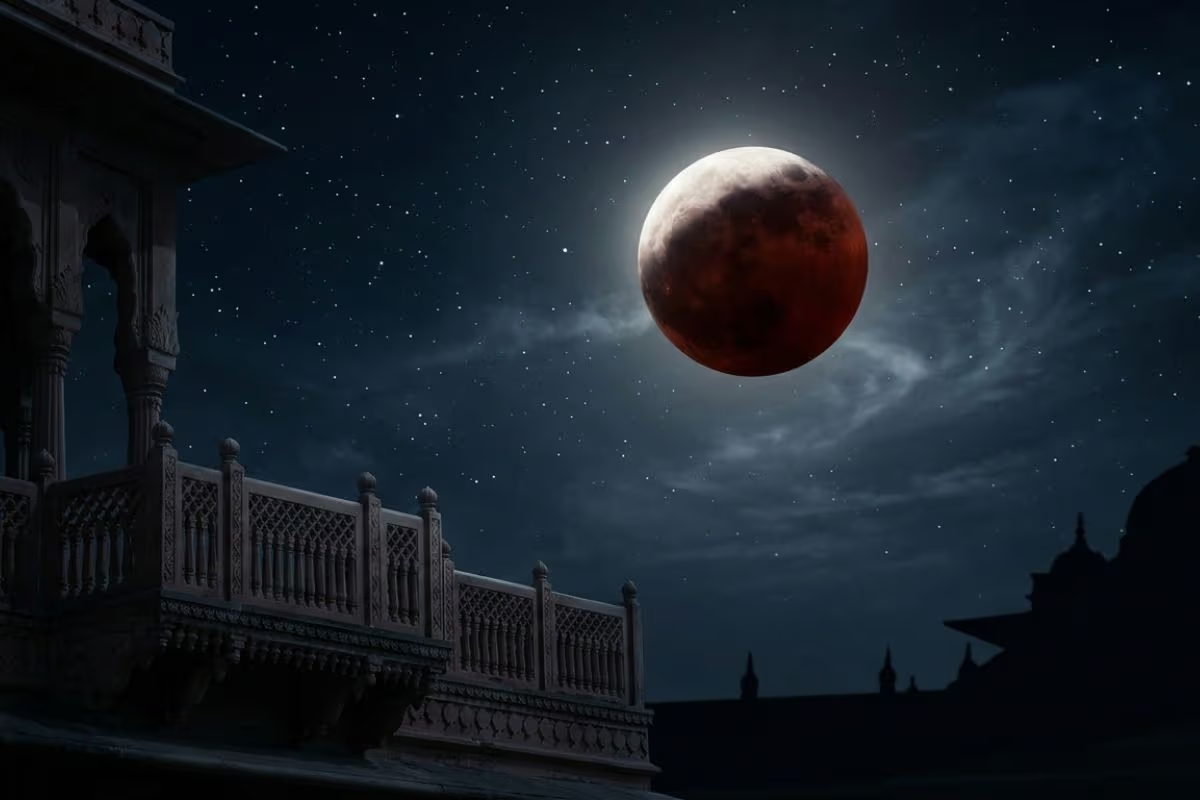
What is Chandra Grahan?
A Chandra Grahan, or lunar eclipse, occurs when the Earth comes directly between the Sun and the Moon, blocking sunlight from reaching the Moon. This alignment happens only during a full moon.
There are three types of lunar eclipses:
-
Total Lunar Eclipse – The entire Moon enters Earth’s shadow.
-
Partial Lunar Eclipse – Only a portion of the Moon is covered.
-
Penumbral Lunar Eclipse – The Moon passes through Earth’s outer shadow, causing subtle dimming.
Unlike a solar eclipse, a lunar eclipse is completely safe to watch with naked eyes.
Chandra Grahan 2026 Date and Timings (Expected)
According to astronomical predictions, one major lunar eclipse is expected in 2026. The exact timing may vary based on geographic location.
Tentative details (subject to official astronomical confirmation):
-
Expected Date: March 3, 2026 (Tentative)
-
Type: Total Lunar Eclipse (Expected)
-
Visibility in India: Likely visible in most parts
Expected Time (Indian Standard Time – IST)
-
Eclipse Begins: Around 3:20 AM
-
Total Eclipse Starts: Around 4:30 AM
-
Maximum Eclipse: Around 5:00 AM
-
Eclipse Ends: Around 6:40 AM
Note: These timings are based on astronomical models and may slightly vary once officially confirmed.
Visibility of Chandra Grahan 2026 in India
The lunar eclipse in 2026 is expected to be visible across major Indian cities including:
-
Delhi
-
Mumbai
-
Kolkata
-
Chennai
-
Bengaluru
-
Bhubaneswar
Since the user is located in Bhubaneswar, viewers there are also expected to witness the event clearly, weather permitting. Clear skies will enhance visibility during the early morning hours.
Scientific Explanation of Lunar Eclipse
From a scientific perspective, a lunar eclipse occurs due to the alignment of three celestial bodies:
-
Sun
-
Earth
-
Moon
When Earth casts its shadow on the Moon, the Moon appears reddish during a total eclipse. This phenomenon is often called the “Blood Moon.”
The reddish color occurs because Earth’s atmosphere scatters shorter blue wavelengths and allows longer red wavelengths to pass through and reach the Moon.
Organizations like NASA and ISRO regularly publish detailed eclipse data and visibility maps before such events.
Sutak Kaal During Chandra Grahan 2026
In Hindu tradition, the Sutak Kaal is considered an inauspicious period before the eclipse begins.
For lunar eclipses, Sutak typically begins 9 hours before the start of the eclipse.
Expected Sutak Timing (Tentative)
-
Sutak Begins: Around 6:20 PM (Previous Evening)
-
Sutak Ends: After Eclipse Ends
During Sutak Kaal, many people avoid:
-
Cooking or eating food
-
Performing religious ceremonies
-
Visiting temples
However, practices may vary depending on personal beliefs and regional customs.
Religious Significance of Chandra Grahan
In Hindu mythology, Chandra Grahan is associated with the story of Rahu and Ketu. According to legends mentioned in ancient texts, Rahu attempts to swallow the Moon, causing the eclipse.
Many devotees observe:
-
Fasting
-
Chanting mantras
-
Taking holy baths in rivers
-
Offering prayers after eclipse ends
Temples often remain closed during the eclipse and reopen after purification rituals.
Holy places like Kashi Vishwanath Temple and Jagannath Temple follow specific eclipse protocols based on traditional guidelines.
Do’s and Don’ts During Chandra Grahan
What to Do
-
Meditate and chant mantras
-
Take a bath after the eclipse
-
Donate food or clothes to the needy
-
Keep cooked food covered with Tulsi leaves
What to Avoid
-
Avoid eating during Sutak
-
Avoid starting new ventures
-
Avoid temple visits during eclipse
-
Pregnant women are traditionally advised to stay indoors
It is important to note that these guidelines are based on cultural beliefs and not scientific evidence.
Is It Safe to Watch Chandra Grahan?
Yes, watching a lunar eclipse is completely safe with naked eyes. Unlike solar eclipses, no protective glasses are required.
For better viewing experience:
-
Use binoculars
-
Use a telescope
-
Choose a location with minimal light pollution
-
Check weather forecasts in advance
Astrological Impact of Chandra Grahan 2026
Astrologers often analyze lunar eclipses based on zodiac signs and planetary positions. According to early predictions, Chandra Grahan 2026 may have varying impacts on different zodiac signs.
Some believe it may bring:
-
Emotional shifts
-
Career changes
-
Financial adjustments
-
Relationship developments
However, these interpretations are based on astrology and not scientific proof.
Global Impact and Astronomical Importance
Lunar eclipses are important for scientists because they help in studying:
-
Earth’s atmosphere
-
Orbital mechanics
-
Celestial alignment patterns
International observatories and space agencies collect data during such events.
Countries across Asia, Europe, Africa, and parts of Australia may also witness the Chandra Grahan 2026 depending on time zone differences.
Previous Lunar Eclipse Reference
The last significant lunar eclipse created widespread interest across India, with millions tuning in through live streams provided by space agencies and astronomy platforms.
In 2026, similar live coverage is expected from educational institutions, astronomy clubs, and space research organizations.
Why Chandra Grahan 2026 is Important
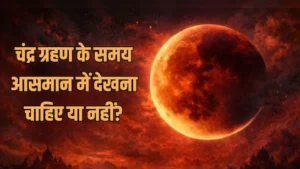
Chandra Grahan 2026 holds significance because:
-
It is expected to be clearly visible in India
-
It may be a total lunar eclipse
-
It carries both religious and scientific importance
-
It attracts massive public interest
Such celestial events also encourage children and students to learn more about astronomy and space science.
Final Words
Chandra Grahan 2026 is set to become one of the most talked-about astronomical events of the year. Whether you observe it for scientific curiosity or religious faith, the lunar eclipse offers a rare opportunity to witness a beautiful cosmic alignment.
Residents across India, including Bhubaneswar and other major cities, are advised to check official announcements closer to the date for confirmed timings and visibility details.
As always, stay updated with official astronomical sources for precise information. The lunar eclipse is not just a celestial event—it is a reminder of the incredible harmony of the universe.