


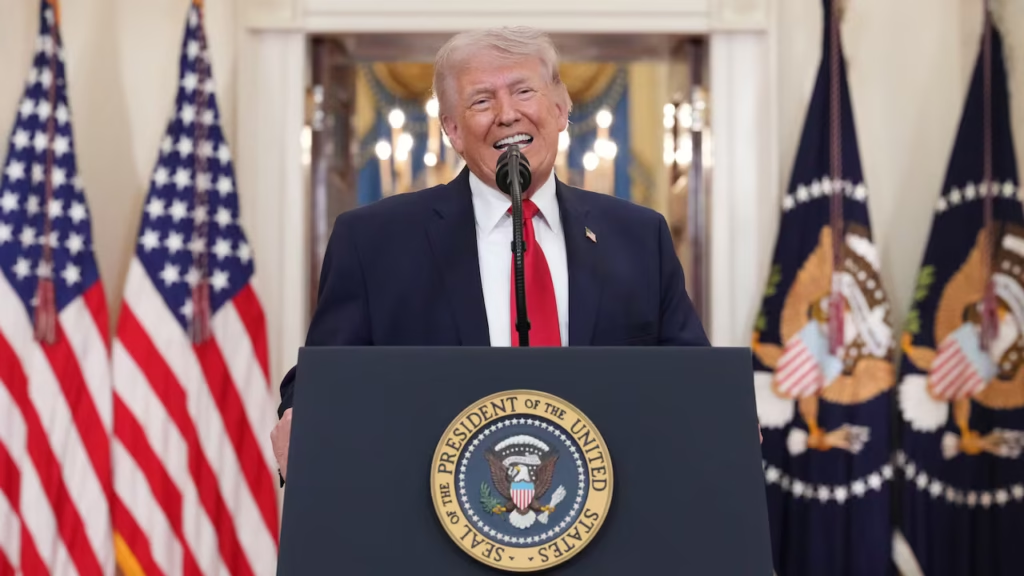
Trump Warns Iran to Reopen Strait of Hormuz by Tuesday or Face ‘Hell’

Introduction
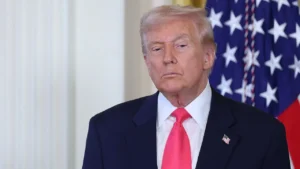
In a dramatic escalation of global tensions, former U.S. President Donald Trump has issued a stark ultimatum to Iran: reopen the strategically crucial Strait of Hormuz by Tuesday or face devastating military consequences.
This warning has sent shockwaves across global markets, raised fears of a wider war in the Middle East, and placed the world on edge. The situation is rapidly evolving, making it one of the most critical geopolitical developments of 2026.
What Did Trump Say?

According to multiple reports, Trump gave Iran a clear deadline—Tuesday evening (8:00 PM ET)—to restore access to the Strait of Hormuz. Failure to comply, he warned, would result in severe military strikes targeting Iran’s infrastructure.
Trump’s warning was unusually aggressive. In public statements and social media posts, he declared that if Iran does not act, “all hell will break loose”, signaling potential attacks on power plants, bridges, and energy facilities.
This marks one of the most direct threats issued during the ongoing conflict.
Why Is the Strait of Hormuz So Important?
The Strait of Hormuz is one of the most critical waterways in the world.
- Around 20% of global oil supply passes through this narrow channel
- It connects the Persian Gulf to global markets
- Major economies including India, China, and Europe depend on it
Any disruption in this route can cause:
- Sharp increases in oil prices
- Global economic instability
- Supply chain disruptions
This is why Trump’s ultimatum has global implications far beyond the U.S. and Iran.
Background: How Did the Crisis Begin?
The current crisis stems from escalating tensions between the United States, Israel, and Iran.
- Iran reportedly restricted or disrupted oil shipments through the Strait
- The U.S. responded with military pressure and diplomatic warnings
- Trump initially gave Iran 48 hours to act, later extending deadlines
- Negotiations have been inconsistent and unclear
Over the past few weeks, the situation has worsened, with both sides exchanging threats and limited military actions.
Trump’s Military Threats Explained

Trump has made it clear that military action is on the table. His warnings include:
- Targeting power plants and bridges in Iran
- Potential strikes on oil facilities and energy infrastructure
- Expanding military operations if Iran resists
Experts warn that such actions could lead to:
- A full-scale regional war
- Civilian infrastructure damage
- International legal concerns
Some analysts have even raised concerns about potential violations of international law if civilian targets are hit.
Iran’s Response
Iran has strongly rejected Trump’s ultimatum.
- Officials have called the threats reckless and provocative
- Tehran insists that its sovereignty over the Strait must be respected
- Iran has warned of retaliation if attacked
Reports suggest Iran may only reopen the Strait under certain conditions, including compensation for damages caused during the conflict.
This indicates that a quick resolution is unlikely.
Impact on Global Economy

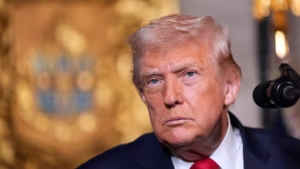
The crisis has already begun affecting global markets.
Oil Prices Surge
- Oil prices have risen due to fears of supply disruption
- Energy-importing countries like India could face higher fuel costs
Stock Market Volatility
- Global stock markets are showing signs of instability
- Investors are shifting towards safer assets
Trade Disruptions
- Shipping delays and increased insurance costs
- Rising transportation expenses worldwide
The longer the Strait remains disrupted, the more severe the economic consequences will be.
Political Reactions Worldwide
The international community is closely watching the situation.
- Allies of the U.S. are urging restraint and diplomacy
- Middle Eastern nations are preparing for potential escalation
- Global organizations have called for peaceful resolution
Within the U.S., Trump’s aggressive stance has sparked debate:
- Supporters say strong action is necessary
- Critics argue it risks unnecessary war
What Happens If Iran Refuses?

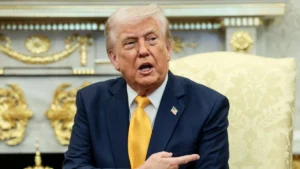
If Iran does not reopen the Strait by the deadline, several scenarios could unfold:
1. Military Strikes
The U.S. could launch targeted attacks on Iranian infrastructure
2. Wider War
The conflict could expand across the Middle East
3. Oil Crisis
Global oil supply could face severe disruption
4. Diplomatic Breakdown
Peace talks may collapse entirely
This makes Tuesday’s deadline a critical turning point.
Possibility of Diplomacy
Despite strong rhetoric, there are still chances for diplomacy.
- Trump has hinted that a deal is still possible
- Backchannel negotiations may be ongoing
- International mediators could step in
However, the aggressive tone on both sides makes a peaceful resolution uncertain.
Why This Matters for India
For countries like India, this crisis is extremely important:
- India imports a large portion of oil through the Strait
- Rising oil prices can increase inflation
- Economic growth could be impacted
Any prolonged disruption will directly affect Indian consumers through higher fuel prices.
Conclusion
The warning issued by Donald Trump to Iran over the Strait of Hormuz marks a dangerous escalation in global geopolitics.
With a strict deadline in place and threats of military action looming, the world is watching closely. Whether this crisis leads to war or diplomacy will depend on the decisions made in the coming hours.
For now, uncertainty remains high, and the stakes could not be bigger—for the Middle East, the global economy, and millions of people worldwide.