

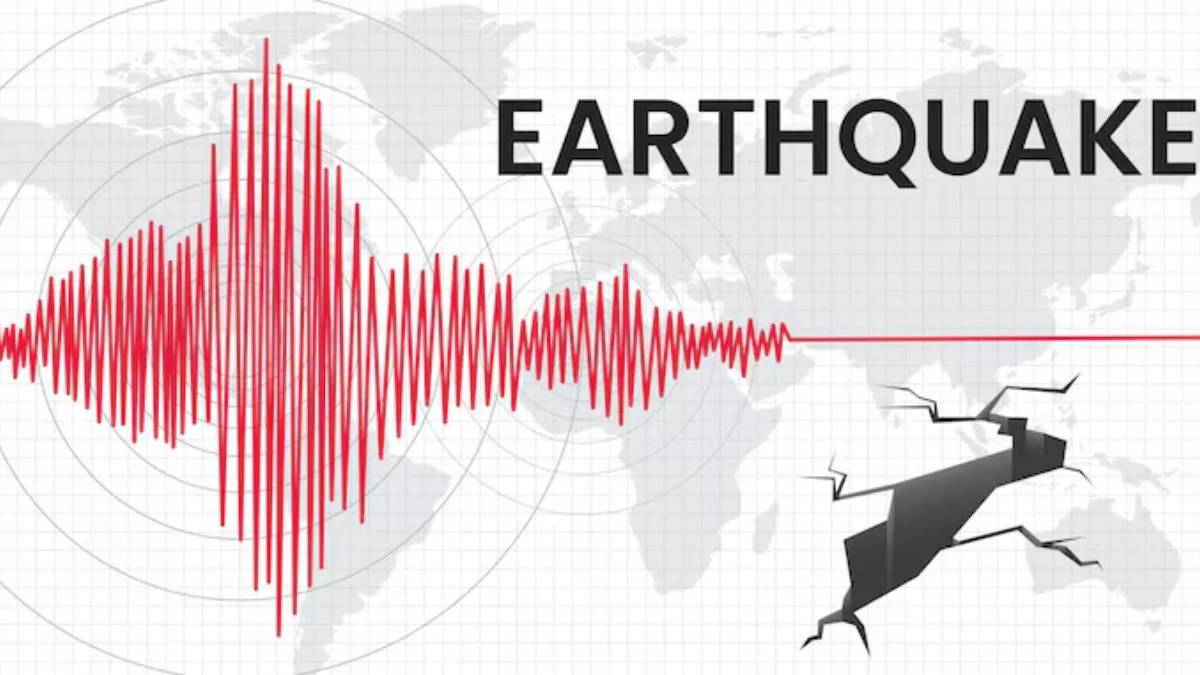
Earthquake Tremors Felt in Kashmir Parts: Panic Grips Residents, No Major Damage Reported Yet
Introduction
Mild to moderate earthquake tremors were felt across several parts of Kashmir Valley on Saturday, triggering panic among residents who rushed out of their homes and offices. According to initial reports from the National Center for Seismology, the earthquake struck in the early hours, with its epicenter believed to be in a seismically active zone near the region.
While no immediate reports of major damage or casualties have surfaced, the sudden tremors caused fear and anxiety among people, especially in districts like Srinagar, Baramulla, and Anantnag.
Earthquake Details: Magnitude, Time, and Epicenter
As per data shared by the National Center for Seismology, the earthquake measured approximately 4.8 on the Richter scale, although some local agencies are still verifying the exact magnitude. The tremors were felt around early morning hours, catching many residents off guard.
The epicenter is suspected to be near the Hindu Kush region, which is known for frequent seismic activity due to tectonic plate movements between the Indian and Eurasian plates.
Experts have confirmed that the depth of the earthquake was relatively shallow, which is why tremors were felt more strongly across the valley.
Areas Affected Across Kashmir
The tremors were experienced in multiple regions across Kashmir, including:
- Srinagar
- Pulwama
- Shopian
- Kupwara
- Budgam
Residents in these areas reported feeling their buildings shake for a few seconds, with some describing it as a “strong jolt” followed by mild vibrations.
Panic Among Residents

As the tremors hit, people immediately rushed out of their homes, offices, and shops. Videos circulating on social media platforms showed residents gathering in open spaces, fearing aftershocks.
In Srinagar, several office workers evacuated buildings as a precautionary measure. Schools in some areas briefly suspended classes while authorities assessed the situation.
Eyewitnesses described the experience as “terrifying but short-lived.” Many said it reminded them of past earthquakes that caused significant damage in the region.
No Major Damage Reported So Far
Authorities have confirmed that no major damage to infrastructure or loss of life has been reported as of now. However, minor cracks in walls and falling objects were reported in a few locations.
Local disaster management teams have been put on alert, and emergency services remain prepared to respond if needed.
Officials from the Jammu and Kashmir Disaster Management Authority stated that they are closely monitoring the situation and coordinating with local administrations.
Why Kashmir is Prone to Earthquakes
The Kashmir region lies in a highly sensitive seismic zone, making it vulnerable to earthquakes. It falls under Seismic Zone V, which is categorized as the highest risk zone in India.
This vulnerability is due to the collision of the Indian tectonic plate with the Eurasian plate, which leads to frequent seismic disturbances.
Historically, the region has witnessed devastating earthquakes, including the 2005 earthquake that caused massive destruction across parts of Jammu & Kashmir and neighboring regions.
Expert Opinions on the Recent Tremors
Seismologists have indicated that the recent earthquake is a reminder of the region’s seismic sensitivity. According to experts:
- Small to moderate earthquakes are common in this region
- These tremors help release built-up tectonic stress
- However, they do not rule out the possibility of larger earthquakes in the future
The National Center for Seismology has advised residents not to panic but to stay alert and follow safety guidelines.
Safety Measures to Follow During Earthquakes
In light of the recent tremors, authorities have urged people to remain cautious and prepared. Here are some essential safety tips:
During an Earthquake:
- Drop to the ground and take cover under sturdy furniture
- Stay away from windows, glass, and heavy objects
- Do not use elevators
- If outdoors, move to an open area away from buildings and trees
After an Earthquake:
- Check for injuries and provide first aid
- Inspect your home for damage
- Avoid re-entering damaged buildings
- Stay updated with official announcements
Preparedness can significantly reduce the risk of injuries during such natural events.
Government Response and Monitoring
The local administration in Jammu and Kashmir has activated monitoring systems to track any aftershocks. Emergency helplines are operational, and disaster response teams are on standby.
Authorities are also using advanced seismic monitoring systems to analyze the tremors and predict any potential aftershocks.
Social Media Reactions
Soon after the tremors, hashtags like #Earthquake, #KashmirTremors, and #StaySafe started trending on social media platforms.
Users shared their experiences, with many expressing relief that no major damage was reported. Some also highlighted the importance of earthquake preparedness in high-risk regions like Kashmir.
Conclusion
The earthquake tremors felt across parts of Kashmir Valley served as a reminder of the region’s vulnerability to seismic activity. While the latest incident did not result in significant damage, it underscores the importance of preparedness and awareness.
Authorities continue to monitor the situation closely, and residents are advised to remain alert and follow safety guidelines.
As the region remains in a high-risk seismic zone, continuous vigilance and preparedness are essential to minimize the impact of future earthquakes.