


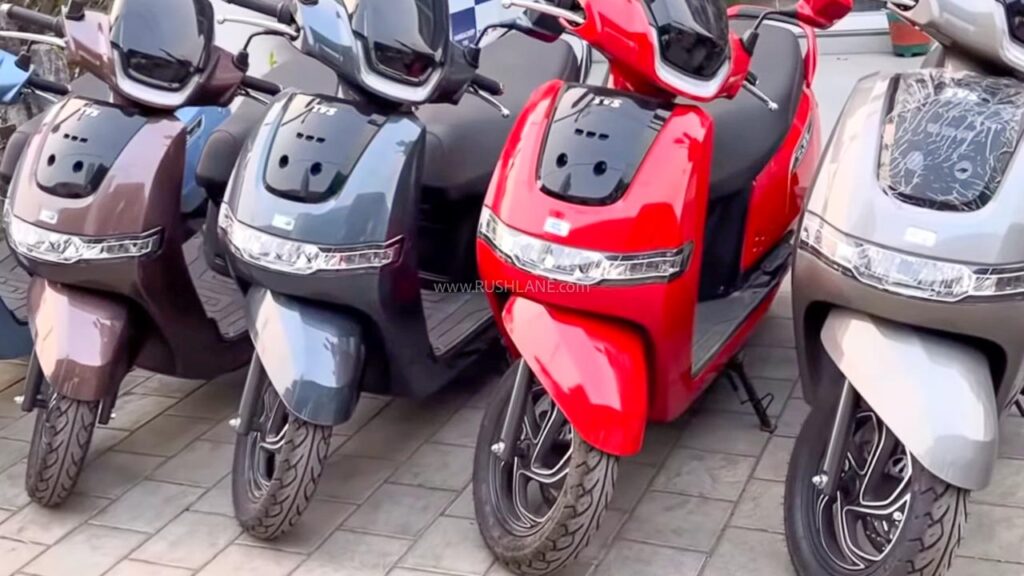
Electric Two-Wheeler Sales Hit Second-Highest Monthly Total in May 2026: India’s EV Revolution Accelerates
Electric Two-Wheeler Sales Surge in May 2026, Signaling Strong Consumer Demand
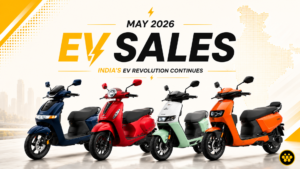
India’s electric vehicle (EV) industry continues its remarkable growth journey as electric two-wheeler sales reached their second-highest monthly total ever in May 2026. The impressive performance highlights the increasing acceptance of electric mobility among Indian consumers and reinforces the country’s position as one of the fastest-growing EV markets globally.
Industry data indicates that rising fuel prices, improved charging infrastructure, government incentives, and the launch of new electric scooter and motorcycle models have significantly boosted demand across urban and semi-urban markets.
The strong sales numbers come at a time when India’s automotive industry is undergoing a major transformation toward sustainable transportation solutions. With consumers increasingly prioritizing lower running costs and environmentally friendly mobility options, electric two-wheelers are emerging as the preferred choice for daily commuting.

May 2026 Becomes a Landmark Month for Electric Mobility
The electric two-wheeler segment recorded one of its strongest performances in history during May 2026.
Industry experts believe the impressive growth reflects:
- Increasing consumer confidence in EV technology
- Expansion of charging infrastructure
- Improved battery performance
- Competitive pricing strategies
- Wider product availability
- Growing environmental awareness
The second-highest monthly sales figure demonstrates that electric mobility is steadily moving from an emerging trend to a mainstream transportation choice in India.
Market analysts note that demand has remained strong despite economic uncertainties, highlighting the resilience of the EV sector.

Why Electric Two-Wheeler Sales Are Rising
Several factors have contributed to the remarkable growth of electric two-wheeler sales across India.
Rising Fuel Prices
One of the biggest drivers behind EV adoption remains the high cost of petrol.
Consumers are increasingly attracted to electric scooters and motorcycles because they offer significantly lower operating costs compared to conventional petrol-powered vehicles.
For daily commuters, the long-term savings can be substantial, making electric vehicles an economically attractive alternative.
Improved Battery Technology
Battery technology has improved significantly in recent years.
Modern electric two-wheelers now offer:
- Longer driving ranges
- Faster charging times
- Enhanced durability
- Better thermal management
- Improved safety features
These advancements have helped address many concerns that previously discouraged consumers from purchasing EVs.
Expanding Charging Infrastructure
The growth of public and private charging networks has made EV ownership more convenient.
Charging stations are becoming increasingly available across:
- Metropolitan cities
- Tier-2 cities
- Commercial hubs
- Residential communities
- Highway corridors
Improved infrastructure is helping reduce range anxiety, one of the biggest barriers to EV adoption.
Government Support Continues to Drive Growth

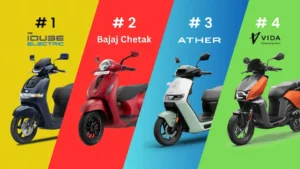
Government initiatives continue to play a crucial role in accelerating India’s electric mobility transition.
Various central and state-level policies support EV adoption through:
Purchase Incentives
Financial incentives help reduce the upfront cost of electric vehicles.
These benefits have made EVs more accessible to a broader consumer base.
Tax Benefits
Many states offer reduced road tax and registration fees for electric vehicles.
These incentives further improve the affordability of EV ownership.
Manufacturing Support
Government programs aimed at promoting domestic manufacturing have encouraged investment in:
- Battery production
- EV components
- Charging equipment
- Vehicle assembly
This has strengthened India’s EV ecosystem and improved supply chain efficiency.
Urban Consumers Lead the EV Adoption Wave
Urban markets continue to account for a significant portion of electric two-wheeler sales.
Major cities are witnessing growing demand due to:
- Daily commuting requirements
- Traffic congestion
- Environmental concerns
- Rising fuel expenses
Electric scooters have become particularly popular among:
- Office commuters
- Students
- Delivery professionals
- Small business owners
The practicality and cost-effectiveness of electric mobility are driving widespread adoption across demographic groups.
Fleet Operators Fuel Demand Growth

The commercial segment is also contributing significantly to electric two-wheeler sales.
Delivery and logistics companies increasingly prefer electric vehicles because of their lower operating expenses.
Benefits include:
- Reduced fuel costs
- Lower maintenance requirements
- Improved sustainability goals
- Better fleet economics
E-commerce and food delivery platforms are rapidly electrifying their fleets, creating additional demand for electric two-wheelers.
New Product Launches Boost Market Momentum
The Indian EV market has become highly competitive, with manufacturers introducing innovative new products.
Recent launches have focused on:
Extended Range
Consumers increasingly seek vehicles capable of covering longer distances on a single charge.
Manufacturers are responding with improved battery packs and energy-efficient designs.
Smart Features
Modern electric scooters now offer:
- Smartphone connectivity
- Navigation systems
- Over-the-air software updates
- Vehicle diagnostics
- Remote monitoring
These features enhance the ownership experience and attract technology-focused consumers.
Performance Improvements
Electric motorcycles and scooters are delivering better acceleration, smoother performance, and improved ride quality.
This has helped electric vehicles compete more effectively with traditional petrol-powered alternatives.
Battery Manufacturing Expansion Supports Growth

India’s battery manufacturing ecosystem is expanding rapidly.
Several companies are investing heavily in:
- Lithium-ion battery production
- Cell manufacturing facilities
- Battery recycling solutions
- Energy storage technologies
Domestic production helps reduce import dependence and supports the long-term sustainability of the EV industry.
Industry experts believe battery localization will play a key role in reducing costs and improving competitiveness.
Environmental Benefits Drive Consumer Interest
Environmental awareness is becoming an important factor influencing vehicle purchase decisions.
Electric two-wheelers offer several sustainability advantages:
Reduced Emissions
EVs produce zero tailpipe emissions, helping improve urban air quality.
Lower Carbon Footprint
As renewable energy adoption increases, the environmental benefits of electric mobility become even more significant.
Noise Reduction
Electric vehicles operate more quietly than conventional vehicles, contributing to reduced noise pollution in cities.
Many consumers now view EV ownership as a practical way to support environmental sustainability.
Challenges Facing the Industry
Despite impressive growth, the electric two-wheeler industry still faces several challenges.
Charging Infrastructure Gaps
Although charging networks are expanding, coverage remains uneven in some regions.
Further investments are needed to support widespread adoption.
Battery Costs
Battery packs remain one of the most expensive components of electric vehicles.
Continued technological advancements will be necessary to reduce costs further.
Consumer Awareness
Many potential buyers still require greater awareness regarding:
- EV ownership benefits
- Charging solutions
- Battery lifespan
- Maintenance requirements
Education and outreach initiatives remain important for accelerating adoption.
Industry Outlook Remains Positive
The future outlook for India’s electric two-wheeler market remains highly encouraging.
Analysts expect growth to continue due to:
- Favorable government policies
- Expanding product portfolios
- Declining battery costs
- Infrastructure improvements
- Rising consumer acceptance
Many industry forecasts suggest electric two-wheelers could account for a significant share of total two-wheeler sales over the coming years.
The sector is expected to remain one of the fastest-growing segments within the Indian automotive industry.
Impact on the Broader Automotive Industry

The success of electric two-wheelers is reshaping the broader automotive landscape.
Traditional manufacturers are accelerating EV investments, while new startups continue to enter the market with innovative products.
This increased competition is benefiting consumers through:
- Better technology
- Greater product variety
- Competitive pricing
- Improved customer service
The transition toward electric mobility is also creating opportunities in manufacturing, software development, battery technology, and charging infrastructure.
Conclusion
The achievement of the second-highest monthly electric two-wheeler sales total in May 2026 marks another important milestone for India’s EV industry. Strong consumer demand, supportive government policies, technological advancements, and growing environmental awareness are driving the market’s rapid expansion.
As charging infrastructure improves and battery technology continues to evolve, electric two-wheelers are expected to become an increasingly common sight on Indian roads. The sector’s strong performance reflects not only changing consumer preferences but also India’s broader commitment to sustainable transportation and clean energy solutions.
With momentum continuing to build, the electric two-wheeler market appears well-positioned for sustained growth in the years ahead, making it one of the most exciting segments in India’s automotive industry.