


Iran Oil Refinery Crisis 2026: Attacks, War Impact & Global Energy Shock
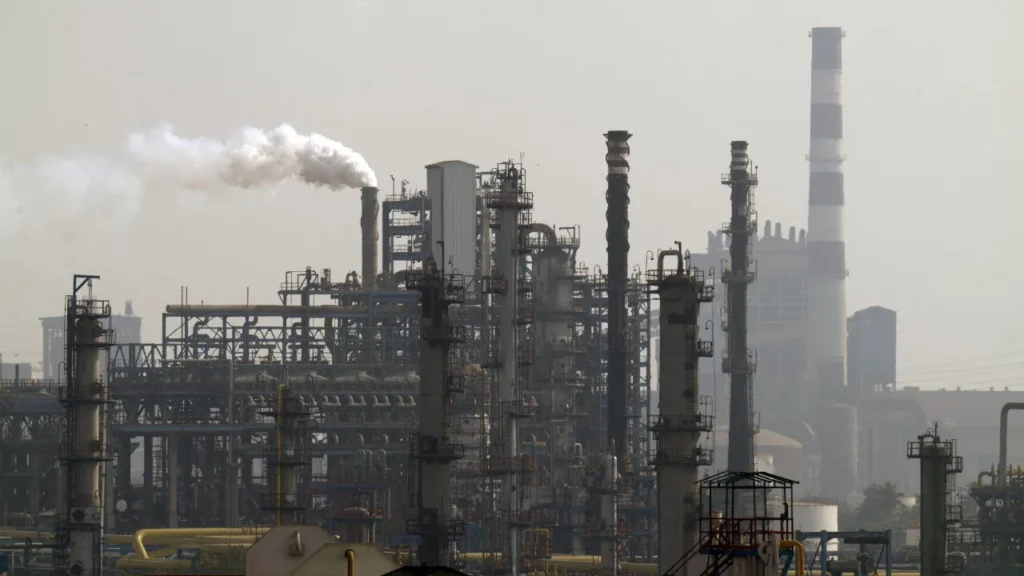
The year 2026 has brought one of the biggest energy crises in recent history, with Iran’s oil refineries becoming the focal point of geopolitical conflict. As tensions between Iran, the United States, and Israel escalate, critical energy infrastructure has been repeatedly targeted. These attacks are not just military strategies—they are economic weapons with far-reaching global consequences.
From refinery strikes to disruptions in the Strait of Hormuz, the situation has triggered volatility in oil prices, supply chain disruptions, and economic uncertainty worldwide. the Iran oil refinery crisis, its causes, impacts, and what it means for countries like India.

Latest News: Attack on Iran’s Oil Refinery
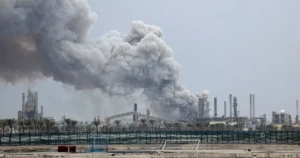
In April 2026, a major oil refinery on Lavan Island in Iran was hit in what officials described as an “enemy attack.” The strike caused a fire at the facility, though no casualties were reported. Emergency teams were deployed immediately to contain the blaze and secure operations.
What makes this incident more significant is that it occurred despite a temporary ceasefire between Iran and the United States. This highlights how fragile the situation remains and how energy infrastructure continues to be a prime target even during diplomatic pauses.
Background: Why Iran’s Oil Refineries Matter

Iran is one of the world’s largest oil producers, and its refinery network plays a crucial role in:
- Processing crude oil into usable fuels
- Supporting domestic energy needs
- Supplying oil to international markets
Oil refineries are not just industrial units—they are strategic assets. Any disruption can impact global fuel supply and trigger economic instability.
Iran War 2026: Oil Infrastructure in the Line of Fire
Since the beginning of the 2026 Iran conflict, oil refineries, pipelines, and storage facilities have been primary targets. Missile and drone strikes have hit multiple energy sites across the Middle East.
- Israeli and US-led strikes targeted Iranian oil depots and refineries
- Iran retaliated by attacking energy infrastructure in Gulf countries
- Refineries in Saudi Arabia, Kuwait, and UAE also faced attacks
- Global oil supply chains were severely disrupted
For example, attacks on Iran’s South Pars gas and oil facilities affected around 12% of Iran’s gas production, causing immediate global price spikes.
Expansion of Conflict: Regional Oil Infrastructure Under Attack
The Iran oil refinery crisis is no longer limited to Iran alone. The conflict has expanded across the Gulf region:
- Kuwait’s largest refinery was hit by drone strikes
- Saudi Arabia’s Aramco refinery faced attacks
- UAE and Qatar energy facilities were targeted
These coordinated attacks have turned the entire Middle East energy sector into a battlefield. This widespread disruption has significantly reduced oil and gas output across the region.
Strait of Hormuz: The Most Critical Factor

One of the biggest factors driving the crisis is the Strait of Hormuz—a narrow waterway through which nearly 20% of the world’s oil passes.
Recent developments show that Iran is considering imposing heavy tolls on ships passing through the strait, which could permanently increase global oil transportation costs.
Why It Matters:
- It is the world’s most important oil transit route
- Any disruption directly impacts global oil supply
- Shipping costs and insurance premiums are rising
In some cases, Iran has even blocked oil tanker movement in response to geopolitical tensions, further escalating the crisis.
Global Oil Prices Surge
The Iran refinery crisis has had a direct impact on global oil prices:
- Oil prices crossed $100 per barrel during peak conflict
- Prices remain volatile due to uncertainty
- Fuel costs have increased worldwide
Experts warn that even after ceasefire agreements, oil prices may remain elevated for months due to infrastructure damage and supply disruptions.
Why Oil Refineries Are Strategic Targets

Oil refineries are among the most valuable targets in modern warfare because they directly affect:
1. Economic Stability
Destroying refineries reduces a country’s revenue and weakens its economy.
2. Military Capability
Fuel is essential for military operations, including aircraft, tanks, and naval forces.
3. Public Life
Fuel shortages can disrupt transportation, electricity, and daily life.
By targeting refineries, countries aim to weaken their opponents without necessarily engaging in large-scale ground wars.
Environmental and Human Impact
The destruction of oil refineries also has severe environmental consequences:
- Release of toxic gases
- Air and water pollution
- Risk to nearby populations
Health experts have warned that attacks on oil facilities could lead to long-term environmental damage and health risks, especially for children and elderly populations.
Economic Impact on the World
The Iran oil refinery crisis has triggered a chain reaction in the global economy:
1. Rising Inflation
Higher fuel costs increase transportation and production expenses, leading to inflation.
2. Supply Chain Disruptions
Global trade depends heavily on oil. Disruptions affect shipping, manufacturing, and logistics.
3. Stock Market Volatility
Energy uncertainty has caused fluctuations in global stock markets.
4. Increased Energy Costs
Countries are paying more for oil imports, affecting national budgets.
Impact on India

India, as one of the largest importers of crude oil, is particularly vulnerable to this crisis.
India also relies heavily on oil shipments passing through the Strait of Hormuz, making the situation even more critical.
Ceasefire: Temporary Relief or Illusion?
A temporary ceasefire between Iran and the US provided some relief, but tensions remain high.
Despite the ceasefire:
- Oil refineries continue to be targeted
- Tanker movements remain restricted
- Military threats persist
This suggests that the conflict is far from over, and further escalation remains a possibility.
Future Outlook: What Lies Ahead
The future of Iran’s oil refinery sector depends on several key factors:
1. Geopolitical Stability
If tensions escalate, more attacks on energy infrastructure are likely.
2. Repair and Reconstruction
Damaged refineries may take months or years to fully recover.
3. Energy Diversification
Countries may accelerate the shift to renewable energy sources.
4. Alternative Trade Routes
New pipelines and routes may be developed to bypass high-risk areas.
Long-Term Global Energy Shift

The crisis has also accelerated discussions around reducing dependence on Middle Eastern oil.
Countries are now focusing on:
- Renewable energy (solar, wind)
- Electric vehicles
- Strategic oil reserves
- Energy diversification
This could reshape the global energy landscape in the coming years.
Conclusion
The Iran oil refinery crisis of 2026 is not just a regional conflict—it is a global energy emergency. Attacks on refineries, disruptions in the Strait of Hormuz, and escalating geopolitical tensions have created a perfect storm for the oil market.
While temporary ceasefires offer some hope, the long-term outlook remains uncertain. The world must prepare for continued volatility in oil prices and energy supply.
For countries like India, the crisis serves as a reminder of the importance of energy security and diversification.
As the situation evolves, one thing is clear: oil refineries are no longer just industrial facilities—they are strategic battlegrounds shaping the future of global economics and geopolitics.