


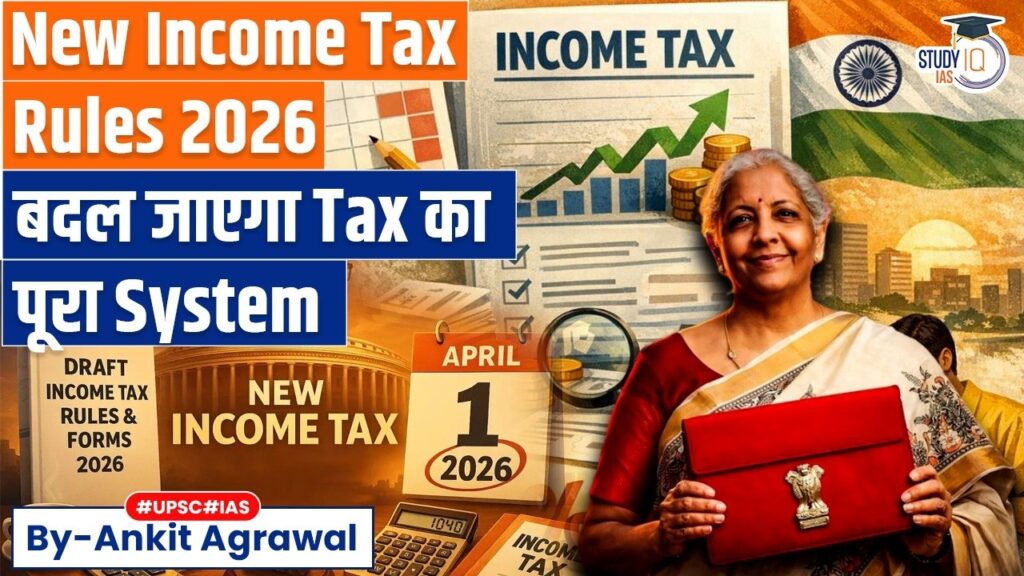
New Income Tax Slabs 2026 – Latest Tax Rates & Comparison Table
Check the new income tax slabs for FY 2026-27. Know the updated tax rates, comparison between old vs new regime, and detailed tax table for salaried individuals.
New income tax 2026, income tax slabs FY 2026-27, new vs old tax regime, income tax table 2026, tax calculation India


New Income Tax 2026: What Taxpayers Need to Know
The New Income Tax regime for FY 2026-27 has brought updated tax slabs and simplified structures aimed at making tax filing easier for individuals. Salaried employees, professionals, and business owners are keen to understand how the new income tax slabs will impact their annual tax liability.
Under the revised structure, the government continues to promote the New Tax Regime with lower tax rates but fewer deductions, while the Old Tax Regime remains available for those who want to claim exemptions like HRA, 80C, 80D, and home loan interest.
Let’s understand the latest income tax slab rates and compare both regimes in detail.

New Income Tax Slabs FY 2026-27 (New Regime)
Below is the updated tax table under the New Tax Regime:
| Annual Income (₹) | Tax Rate |
|---|---|
| Up to ₹3,00,000 | Nil |
| ₹3,00,001 – ₹6,00,000 | 5% |
| ₹6,00,001 – ₹9,00,000 | 10% |
| ₹9,00,001 – ₹12,00,000 | 15% |
| ₹12,00,001 – ₹15,00,000 | 20% |
| Above ₹15,00,000 | 30% |
Key Highlights:
- Basic exemption limit: ₹3 lakh
- Standard deduction available for salaried individuals
- No major deductions like 80C, 80D (except specified cases)
- Rebate under Section 87A for eligible taxpayers
The new regime is designed to simplify taxation and reduce paperwork.

Old Income Tax Regime Slabs FY 2026-27
For those opting for deductions and exemptions, the Old Regime tax slabs are:
| Annual Income (₹) | Tax Rate |
|---|---|
| Up to ₹2,50,000 | Nil |
| ₹2,50,001 – ₹5,00,000 | 5% |
| ₹5,00,001 – ₹10,00,000 | 20% |
| Above ₹10,00,000 | 30% |
Benefits of Old Regime:
- Section 80C deduction up to ₹1.5 lakh
- 80D (medical insurance)
- HRA exemption
- Home loan interest deduction
- LTA and other allowances
The old regime is beneficial for individuals who invest heavily in tax-saving instruments.


New vs Old Tax Regime: Which is Better?
Choosing between the new and old tax regime depends on your income level and investments.
Choose New Regime If:
- You don’t claim many deductions
- You prefer simple tax filing
- You want lower slab rates
Choose Old Regime If:
- You invest in LIC, PPF, ELSS, etc.
- You pay home loan EMIs
- You claim HRA and other allowances
Taxpayers should calculate their total tax under both systems before making a decision.

Example Tax Calculation (New Regime)
Let’s assume annual income is ₹10,00,000.
Under New Regime:
- ₹3,00,000 – Nil
- ₹3,00,001 to ₹6,00,000 – 5% = ₹15,000
- ₹6,00,001 to ₹9,00,000 – 10% = ₹30,000
- ₹9,00,001 to ₹10,00,000 – 15% = ₹15,000
Total Tax = ₹60,000 (excluding cess)
Plus 4% Health & Education Cess.
This shows how slab-wise taxation works progressively.
Rebate Under Section 87A
Under the new income tax rules, individuals with taxable income up to a certain limit may be eligible for rebate under Section 87A, effectively reducing tax liability to zero. Taxpayers must check eligibility conditions before filing.

Important Points for FY 2026-27
- Filing Income Tax Return (ITR) is mandatory if income exceeds exemption limit.
- Advance tax payment rules apply for freelancers and business owners.
- PAN and Aadhaar linking is compulsory.
- TDS rules remain applicable as per income type.
It is advisable to consult a tax expert or use an online income tax calculator before final submission.
Impact on Salaried Individuals
For salaried employees, the new income tax regime can be beneficial if their deductions are minimal. The standard deduction benefit makes it attractive for middle-income earners.
However, for those who actively invest in tax-saving schemes and claim allowances, the old regime may still result in lower tax liability.
Conclusion
The New Income Tax Slabs 2026 aim to simplify taxation while offering competitive rates. Taxpayers now have the flexibility to choose between the old and new regimes based on their financial planning.
Before filing your Income Tax Return for FY 2026-27, compare both systems carefully. The right choice can help you save thousands of rupees annually.
Stay updated with the latest income tax changes and plan your investments wisely to maximize savings and minimize tax burden.