

First Spy Images: A New Era Begins
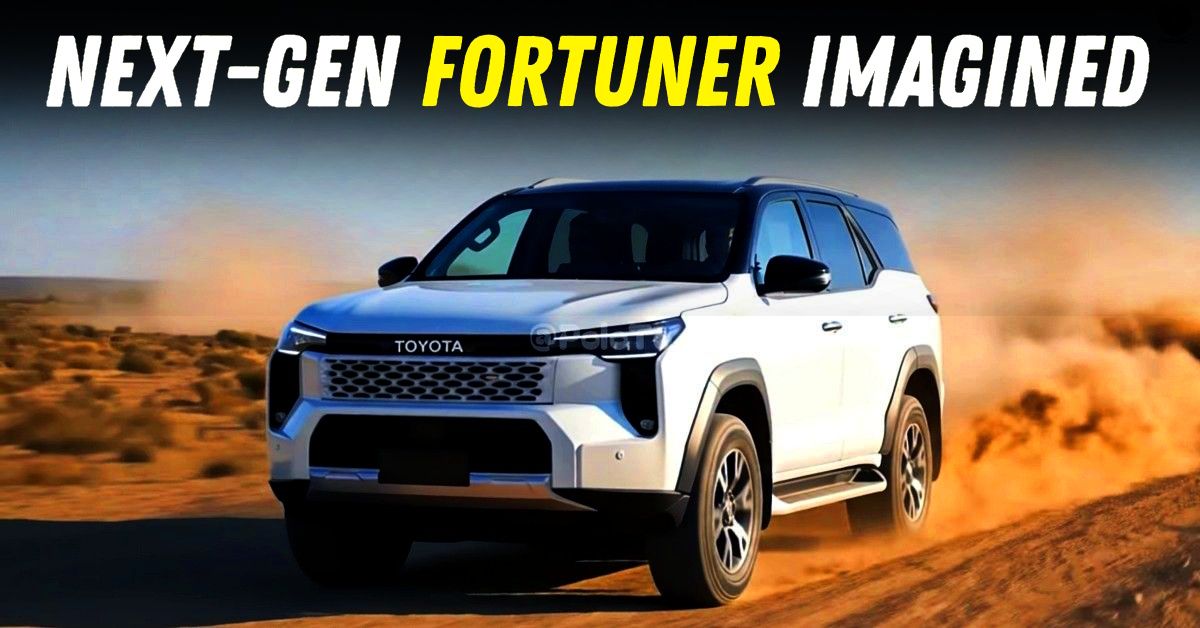
The first official spy shot of the 2026 Toyota Fortuner undergoing testing has emerged from Thailand, where a heavily camouflaged test mule was captured in action. While Toyota has kept most visual details under wraps, these images confirm development progress and hint at significant design evolution for the next generation. The photo reveals an SUV with a widened stance, a more upright rear profile, and a squared-off silhouette that promises a stronger road presence than the outgoing model.
This marks the first time that Toyota’s upcoming seven-seater SUV has been seen on public roads, a major milestone that signals the 2026 Fortuner’s global debut is on the horizon. Industry analysts expect Toyota to unveil the SUV officially by mid-2026, possibly following the introduction of the latest Toyota Hilux pickup with which it shares many core elements.
Exterior Design: Bolder, Wider, More Modern
Though cloaked in camouflage, spy shots reveal some hints about the SUV’s exterior direction:
-
Wider Stance: The 2026 Fortuner appears to sit broader than its predecessor, suggesting improved road stability and a more assertive profile.
-
Revised Rear End: The rear looks more vertical and squared-off, diverging from the curvier design of the current generation.
-
New Taillamps: Early sightings show redesigned tail lamp clusters that hint at updated lighting technology.
-
Redesigned Bumper: Even with camouflage, changes to the bumper are noticeable, reinforcing the impression of a modernized SUV.
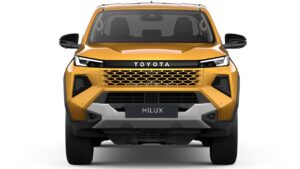
While the front fascia remains hidden, many experts believe the Fortuner will adopt Toyota’s latest global design language — possibly drawing cues from the recently revealed Hilux. This could mean sharper headlamps, a larger grille, and an overall fresher look that aligns with the brand’s contemporary SUV lineup.
Platform and Mechanical Updates

One of the most significant shifts for the 2026 Fortuner is its underlying platform. Reports indicate that Toyota is likely to use an updated IMV ladder-frame architecture — the same foundation that underpins the new Toyota Hilux — rather than completely shifting to a next-generation TNGA platform. This revised architecture is designed to improve safety, comfort, and performance while retaining Fortuner’s rugged character.
This architecture is versatile, supporting a wide range of powertrain choices globally. Toyota’s strategy appears to be a multi-powertrain approach that could include:
-
Diesel engines (including mild hybrid options)
-
Petrol power units
-
48-volt mild-hybrid systems
-
Battery Electric Vehicle (BEV) variants in some markets
-
Potential fuel-cell electric vehicle (FCEV) options where applicable
For India, however, the initial launch is expected to focus on tried-and-tested petrol and diesel engines, potentially with mild-hybrid support as Toyota evaluates regulatory trends and market demands.
Interior and Tech Expectations
While official interior photos are yet to be released, industry insiders expect the 2026 Fortuner to receive a major technological boost compared to the current generation. Drawing from leaked images and renderings associated with the new Hilux, the SUV’s cabin may offer:
-
Large digital instrument cluster – possibly around 12.3 inches
-
High-resolution touchscreen infotainment system with latest software
-
Wireless Android Auto and Apple CarPlay
-
Improved connectivity features and OTA (Over-The-Air) updates
-
Advanced driver assistance systems (ADAS) with Level 2 or higher capabilities
Such enhancements will bring Fortuner’s cabin tech closer to its modern competitors and address past criticism about limited features in Toyota’s traditionally rugged interiors.
Performance and Powertrain Possibilities
While Toyota has not confirmed exact specifications, the 2026 Fortuner is expected to continue with some familiar engine options, especially in India. These could include:
-
2.7-litre naturally aspirated petrol
-
2.8-litre turbocharged diesel
-
48V mild-hybrid diesel setup (likely offered in diesel variants)
Transmission choices are expected to include both manual and automatic gearboxes, with diesel versions likely offering both, while petrol might lean toward automatic configurations. Toyota’s global strategy for electrification also raises the possibility of hybrid or even BEV powertrains in select markets, though such versions might not arrive in India until later.
Anticipated Launch Timeline – India And Global

The 2026 Toyota Fortuner is expected to make its global debut by mid-2026, with production and unveiling events scheduled across key markets. Given the vehicle’s strong popularity in Asia, the Middle East, and other regions, Toyota is likely to roll out the SUV in phases.
In India, industry sources suggest the Fortuner could launch toward late 2026 or early 2027. With Toyota’s strong brand equity and SUV dominance here, anticipation is already high among buyers looking for a premium seven-seater SUV with global appeal and rugged capability.
Why The 2026 Fortuner Matters
Since its debut, the Fortuner has been one of the most influential SUVs in its segment, carving out a reputation for durability, off-road capability, and strong resale value. The upcoming generation faces heightened expectations from buyers who want contemporary design, modern tech, safety innovations, and improved performance — without compromising the SUV’s core identity.
The first spy shot is more than just an image — it’s a signal that Toyota is ready to redefine the Fortuner for a new era. With potential advancements in design, powertrains, and connected features, the 2026 model is shaping up to be one of the most significant updates in the SUV’s history.
Final Thoughts
The early spy images of the 2026 Toyota Fortuner confirm that Toyota is deep into development of the next-gen SUV. With its bold stance, revamped styling cues, updated platform, and expected tech upgrades, this SUV is poised to compete strongly in the global SUV arena. Whether in India or overseas, buyers and fans alike can look forward to a Fortuner that blends rugged capability with modern refinement, staying true to what made its predecessors successful.