


Ola Electric News 2026: Can the EV Giant Make a Strong Comeback in India?
India’s electric vehicle revolution has transformed the two-wheeler market over the last few years, and one company that has remained at the center of this transformation is Ola Electric. From launching futuristic scooters to building a massive EV ecosystem in India, Ola Electric has become one of the most talked-about electric mobility brands in the country.
However, 2026 has been a mixed year for the company. While Ola Electric continues to push innovation with new battery technology, long-range scooters, and expansion plans, the company is also facing major challenges such as declining sales, intense competition, service-related complaints, and pressure to achieve profitability. we take a closer look at Ola Electric’s latest news, upcoming plans, sales performance, technology developments, and whether the company can regain its leadership position in India’s electric two-wheeler market.

Ola Electric Continues to Lead India’s EV Discussion
Founded by Bhavish Aggarwal, Ola Electric entered the Indian EV market with a bold vision — to make electric mobility mainstream. The company quickly gained popularity due to its stylish scooters, smart features, aggressive pricing, and digital-first approach.
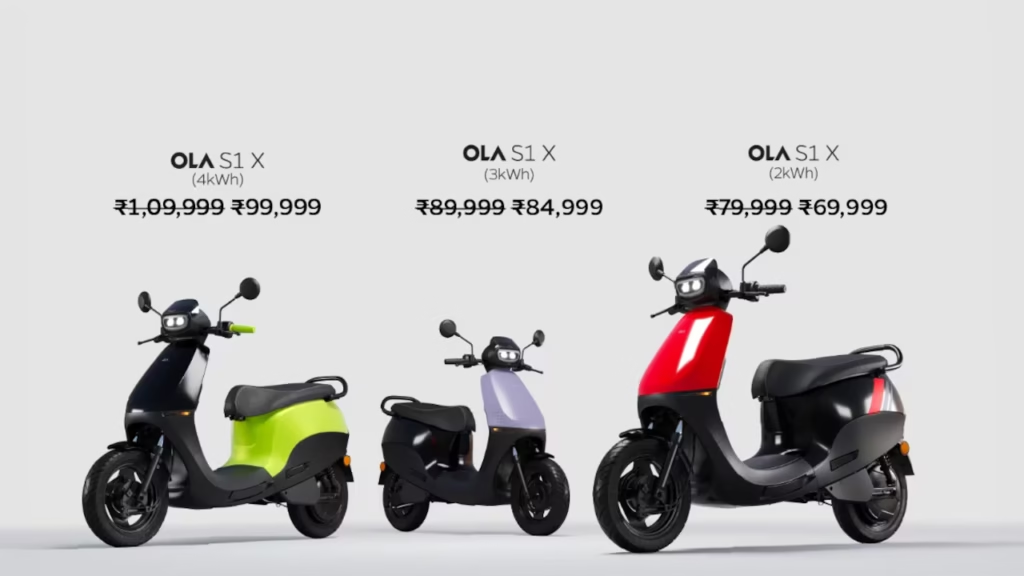
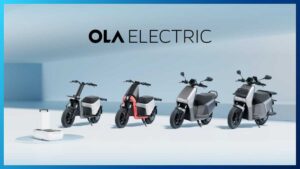
The Ola S1 range became one of the highest-selling electric scooter lineups in India. Features like touchscreen dashboards, navigation, app connectivity, cruise control, and long riding range attracted younger buyers looking for a modern mobility solution.
Even in 2026, Ola Electric remains one of the most searched EV brands in India. Despite increasing competition from established companies like TVS, Bajaj, Ather, and Hero MotoCorp, Ola continues to dominate headlines due to its ambitious plans and large-scale investments.
The company’s future strategy now focuses on three major areas:
- Improving profitability
- Expanding battery manufacturing
- Strengthening customer service and reliability
These factors will play a major role in determining whether Ola Electric can maintain its EV leadership in the coming years.
Ola Electric Sales Decline Raises Concerns
One of the biggest stories surrounding Ola Electric in 2026 has been the slowdown in sales growth. According to industry reports, the company witnessed a significant drop in electric scooter registrations during recent months.
The Indian EV market itself continues to grow rapidly, but Ola Electric’s market share has seen pressure due to strong competition from legacy manufacturers. Brands like TVS iQube, Bajaj Chetak, and Ather scooters are gaining popularity because of better service networks and growing consumer trust.
Industry experts believe several factors are responsible for Ola’s declining sales momentum:
1. Customer Service Challenges
Many users have reported delays in servicing, spare part availability, and repair support. Social media platforms and online forums frequently feature complaints related to after-sales service.
For an EV brand, service experience plays a crucial role because electric vehicles are still relatively new for many Indian buyers. A poor ownership experience can directly impact brand trust.
2. Increased Competition
When Ola Electric launched its scooters, competition in the electric scooter market was limited. But today, almost every major two-wheeler manufacturer has entered the EV space.
Consumers now have multiple options with strong dealership support, reliable service centers, and proven brand value.
3. Pricing Pressure
Government subsidy reductions and changing battery costs have also affected pricing strategies across the EV industry. Customers are now more price-sensitive than before.
Despite these challenges, Ola Electric still has a strong brand recall and a large customer base, which could help the company recover if execution improves.
Ola Electric Bets Big on Battery Technology

One of the most exciting developments from Ola Electric is its focus on battery manufacturing. The company has been investing heavily in lithium-ion cell production through its large-scale battery factory projects.
Ola’s Bharat Cell technology has become a key talking point in the Indian EV industry. The company aims to reduce dependence on imported battery cells and create a localized EV ecosystem.
This strategy could provide several long-term advantages:
- Lower battery costs
- Better supply chain control
- Improved profit margins
- Faster product innovation
- Stronger Make in India positioning
Reports suggest that Ola Electric is also exploring opportunities to supply battery cells to other automakers in the future. If successful, this could transform Ola from just an EV manufacturer into a major battery technology company.
Battery technology is considered the backbone of the electric vehicle industry. Companies that master efficient battery production are likely to dominate the future EV market.
Ola S1 X+ Gets Long-Range Upgrade
Another major highlight in 2026 is the launch of the new Ola S1 X+ variant featuring a larger battery pack and improved riding range.
The company introduced a new 5.2 kWh battery version with a claimed range of up to 320 kilometers. This makes it one of the longest-range electric scooters currently available in India.
The updated scooter targets users who want:
- Longer daily commuting range
- Better highway capability
- Lower charging frequency
- Advanced connected features
Ola Electric believes that range anxiety remains one of the biggest concerns for EV buyers in India. By offering higher battery capacity and improved efficiency, the company hopes to attract more customers.
The S1 lineup continues to be positioned as a premium-tech electric scooter with futuristic styling and smart features.
Profitability Becomes Top Priority for Ola Electric

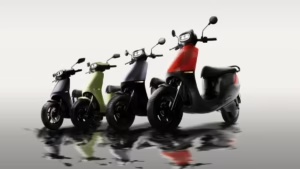
After years of aggressive expansion, Ola Electric is now focusing heavily on profitability.
The company has reportedly reduced operational costs, optimized manufacturing, and restructured several business operations to improve financial performance.
Industry analysts believe the company’s next phase will be crucial because investors are now expecting sustainable business growth rather than just expansion.
Several measures taken by Ola Electric include:
- Workforce restructuring
- Increased automation
- Better manufacturing efficiency
- Expansion of in-house battery production
- Cost optimization across operations
Achieving profitability is important not only for Ola Electric but for the entire Indian EV startup ecosystem. Many investors are watching closely to see whether EV startups can build financially sustainable businesses in a highly competitive market.
Bhavish Aggarwal Remains Confident About the Future
Despite criticism and market pressure, Ola Electric founder Bhavish Aggarwal continues to project confidence about the company’s future.
Aggarwal has repeatedly stated that Ola Electric’s long-term vision remains unchanged. The company wants to build a vertically integrated EV ecosystem that includes:
- Electric scooters
- Electric motorcycles
- Battery manufacturing
- Charging infrastructure
- Software platforms
- Autonomous technology
He believes that India has the potential to become a global EV manufacturing hub and that Ola Electric can play a major role in this transition.
The company’s aggressive approach has often attracted both praise and criticism. Supporters view Ola as a disruptive innovator, while critics argue that the company expanded too quickly without fully stabilizing service operations.
Still, Ola Electric remains one of India’s most ambitious EV startups.
EV Competition in India Intensifies

The Indian electric scooter market in 2026 is more competitive than ever before.
Here are some of the biggest competitors challenging Ola Electric:
TVS iQube
TVS has rapidly expanded its EV presence with reliable products, dealership support, and strong customer trust.
Bajaj Chetak
The Chetak has become popular for its premium design and dependable ownership experience.
Ather Energy
Ather continues to attract tech-focused buyers with strong performance, quality, and charging infrastructure.
Hero Electric and Vida
Hero-backed EV products are gaining momentum due to widespread service availability.
To stay ahead, Ola Electric will need to focus on:
- Product reliability
- Customer satisfaction
- Faster service response
- Competitive pricing
- Technology innovation
The EV race in India is no longer just about launching new scooters. It is now about delivering a complete ownership experience
Can Ola Electric Make a Strong Comeback?
Despite recent setbacks, many industry experts believe Ola Electric still has the potential to bounce back strongly.
Here are the reasons why:
Strong Brand Recognition
Ola remains one of the most recognizable EV brands in India.
Advanced Technology Focus
The company continues to invest in software, battery innovation, and smart mobility.
Large Manufacturing Ambitions
Its large-scale manufacturing ecosystem could provide long-term advantages.
Growing EV Market
India’s electric vehicle adoption is expected to increase rapidly over the next decade.
However, success will depend on whether the company can improve reliability, customer service, and financial performance.
Consumers today are more informed than ever. Buyers are carefully comparing service quality, real-world performance, resale value, and ownership costs before purchasing an electric scooter.
Ola Electric must rebuild trust among users while continuing to innovate.

Final Thoughts
Ola Electric’s journey reflects both the opportunities and challenges of India’s electric mobility revolution. The company changed the EV conversation in India by introducing feature-packed electric scooters and ambitious manufacturing goals.
But rapid growth also brought operational challenges. Declining sales, service complaints, and rising competition have created pressure on the company in 2026. At the same time, Ola Electric continues to push forward with battery technology, long-range scooters, and cost-cutting initiatives aimed at achieving profitability.
The next few years will be extremely important for the company. If Ola Electric can improve customer satisfaction while maintaining innovation, it may once again strengthen its position in the Indian EV market. India’s electric vehicle industry is still in its early stages, and the competition is only getting tougher. Whether Ola Electric emerges stronger or loses ground to rivals will depend entirely on execution, trust, and long-term strategy.
For now, Ola Electric remains one of the most closely watched companies in India’s fast-growing EV sector.