


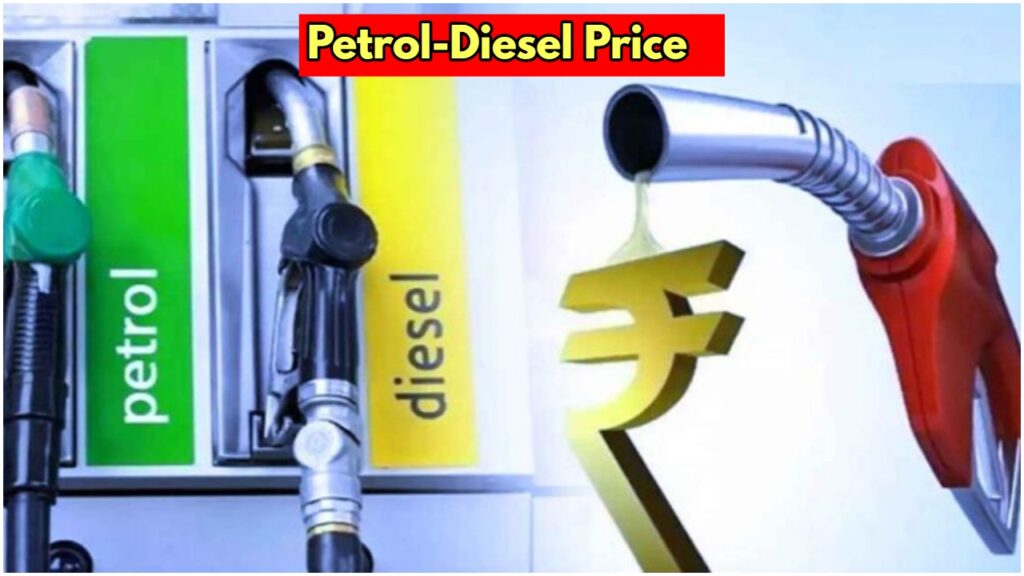
Petrol Diesel Price Today: Fuel Rates Remain Key Focus for Indian Consumers in 2026
Petrol and diesel prices continue to remain one of the most searched topics in India as fuel costs directly impact household budgets, transportation expenses, inflation, and business operations. In 2026, Indian consumers are closely monitoring daily fuel price updates amid fluctuations in global crude oil prices, geopolitical tensions, taxation policies, and currency movements.
From metro cities to smaller towns, petrol and diesel rates play a crucial role in determining the cost of living. Rising fuel prices often affect food delivery charges, cab fares, logistics costs, airline tickets, and even the prices of daily-use goods.
As oil marketing companies revise fuel prices regularly based on international crude oil trends and exchange rates, citizens across India are checking daily updates to understand how fuel costs may affect their monthly expenses. we take a closer look at today’s petrol and diesel prices, factors affecting fuel rates, impact on consumers, state-wise tax differences, global oil trends, and what experts expect in the coming months.

Petrol and Diesel Prices in Major Indian Cities
Fuel prices vary from city to city due to differences in state taxes, VAT rates, transportation charges, and dealer commissions.
Here are the approximate petrol and diesel prices in major Indian cities today:
| City | Petrol Price | Diesel Price |
|---|---|---|
| Delhi | ₹94–96/litre | ₹87–89/litre |
| Mumbai | ₹103–106/litre | ₹91–94/litre |
| Chennai | ₹100–102/litre | ₹92–94/litre |
| Kolkata | ₹104–106/litre | ₹90–92/litre |
| Bengaluru | ₹99–101/litre | ₹87–89/litre |
| Hyderabad | ₹106–109/litre | ₹95–98/litre |
Prices may vary slightly depending on local taxes and dealer updates.
Why Petrol and Diesel Prices Change Daily

Fuel prices in India are influenced by several domestic and international factors.
1. Global Crude Oil Prices
The biggest factor affecting petrol and diesel rates is international crude oil prices. India imports a large portion of its crude oil requirements, making domestic fuel prices highly sensitive to global market movements.
When crude oil prices rise internationally, fuel prices in India usually increase as well.
Major oil-producing regions such as the Middle East continue to influence global oil supply and pricing trends.
Impact of Rupee-Dollar Exchange Rate
Since crude oil is purchased globally in US dollars, fluctuations in the Indian rupee also impact fuel prices.
If the rupee weakens against the dollar:
- Oil imports become more expensive
- Refining costs rise
- Fuel prices may increase
A stronger rupee can provide some relief by reducing import expenses.
Taxes Play a Major Role in Fuel Pricing

One of the biggest reasons fuel prices remain high in India is taxation.
Petrol and diesel prices include:
- Central excise duty
- State VAT
- Dealer commission
- Freight charges
Different states impose different VAT rates, which is why fuel prices vary significantly between cities.
For example:
- Maharashtra often records higher fuel prices
- Delhi generally has relatively lower prices
- Southern states may see higher taxation on fuel
Experts believe taxation contributes heavily to the final retail price paid by consumers.
Oil Marketing Companies and Daily Price Revision
Fuel prices in India are revised daily by major oil marketing companies such as:
- Indian Oil Corporation
- Bharat Petroleum
- Hindustan Petroleum
These companies update rates every morning based on international crude oil benchmarks and currency exchange movements.
Consumers can check daily prices through:
- Official company websites
- Mobile apps
- SMS services
- Fuel station displays
Impact of Fuel Prices on Common People


Petrol and diesel prices directly affect millions of Indians every day.
Transportation Costs Increase
When diesel prices rise, transportation companies often increase freight charges. This impacts:
- Grocery prices
- Online deliveries
- Agricultural transportation
- Public transport fares
Household Budgets Get Affected
Middle-class families often feel pressure when fuel prices remain high for extended periods.
Higher petrol costs can impact:
- Daily office commuting
- School transportation
- Family travel expenses
Inflation Concerns
Fuel prices contribute significantly to inflation because transportation affects almost every product category.
Economists closely monitor fuel price trends while analyzing inflation data.
Electric Vehicles Gain Momentum Amid High Fuel Prices
As petrol and diesel costs remain elevated, many consumers are increasingly exploring electric vehicles.
Companies like:
- Tata Motors
- Mahindra & Mahindra
- MG Motor
are aggressively expanding their EV portfolios in India.
High fuel prices are encouraging buyers to consider:
- Electric scooters
- Hybrid cars
- Electric hatchbacks
- EV SUVs
The government’s push for electric mobility is also helping accelerate EV adoption across urban areas.
Crude Oil Market Trends in 2026

Global crude oil prices remain volatile in 2026 due to multiple international developments.
Key Factors Influencing Oil Markets
- Geopolitical tensions
- OPEC production decisions
- Supply chain disruptions
- Economic slowdown fears
- Global demand fluctuations
Oil-exporting countries continue to carefully manage production levels to stabilize prices.
Meanwhile, concerns over global economic growth also influence crude demand forecasts.
Experts Predict Possible Fuel Price Fluctuations
Market analysts believe petrol and diesel prices may continue to fluctuate throughout 2026.
Possible scenarios include:
If Crude Oil Prices Rise
- Petrol and diesel prices may increase further
- Transportation inflation may rise
- Logistics sector costs may grow
If Crude Prices Stabilize
- Fuel prices may remain steady
- Inflation pressure could ease
- Consumer spending may improve
Much will depend on global geopolitical stability and international crude production trends.
Government Policies and Fuel Prices
The Indian government occasionally adjusts excise duties to control fuel inflation.
When fuel prices rise sharply, authorities may:
- Reduce taxes temporarily
- Offer subsidies in specific sectors
- Monitor oil company pricing
However, fuel taxation also remains an important revenue source for both central and state governments.
Balancing consumer relief and government revenue remains a major challenge.
Alternative Fuels Becoming Popular
Apart from electric vehicles, alternative fuels are also gaining attention in India.
These include:
- CNG vehicles
- Ethanol-blended petrol
- Biofuels
- Hydrogen fuel technology
The government is encouraging ethanol blending to reduce crude oil dependency and lower emissions.
Automobile manufacturers are also investing in cleaner fuel technologies for future mobility solutions.
How Consumers Can Save Fuel
With petrol and diesel prices remaining high, experts recommend several fuel-saving tips:
Maintain Proper Tyre Pressure
Low tyre pressure reduces mileage and increases fuel consumption.
Avoid Aggressive Driving
Sudden acceleration and braking waste fuel.
Use Public Transport When Possible
Metro systems and public buses can reduce fuel expenses.
Regular Vehicle Servicing
Well-maintained engines deliver better mileage.
Consider Fuel-Efficient Vehicles
Modern hybrid and fuel-efficient cars can significantly reduce long-term fuel costs.
Fuel Prices and the Indian Economy

Fuel prices have a direct connection with India’s economic growth.
High fuel prices can:
- Increase inflation
- Reduce consumer spending
- Raise manufacturing costs
- Affect transportation businesses
On the other hand, stable fuel prices can improve market sentiment and support economic activity.
Industries such as aviation, logistics, agriculture, and e-commerce closely monitor fuel price movements.
Final Verdict
Petrol and diesel prices continue to remain one of the most important economic concerns for Indian consumers in 2026. With global crude oil prices fluctuating and taxation continuing to influence retail rates, fuel costs are expected to remain a major discussion point across the country.
While government policies and international market conditions may provide temporary relief, consumers are increasingly adapting through fuel-efficient driving, electric vehicle adoption, and alternative fuel options.
As India moves toward cleaner mobility solutions and energy diversification, the long-term future of transportation may gradually shift away from traditional fossil fuels. However, for now, petrol and diesel prices remain a critical factor shaping household budgets, inflation trends, and the broader Indian economy.