


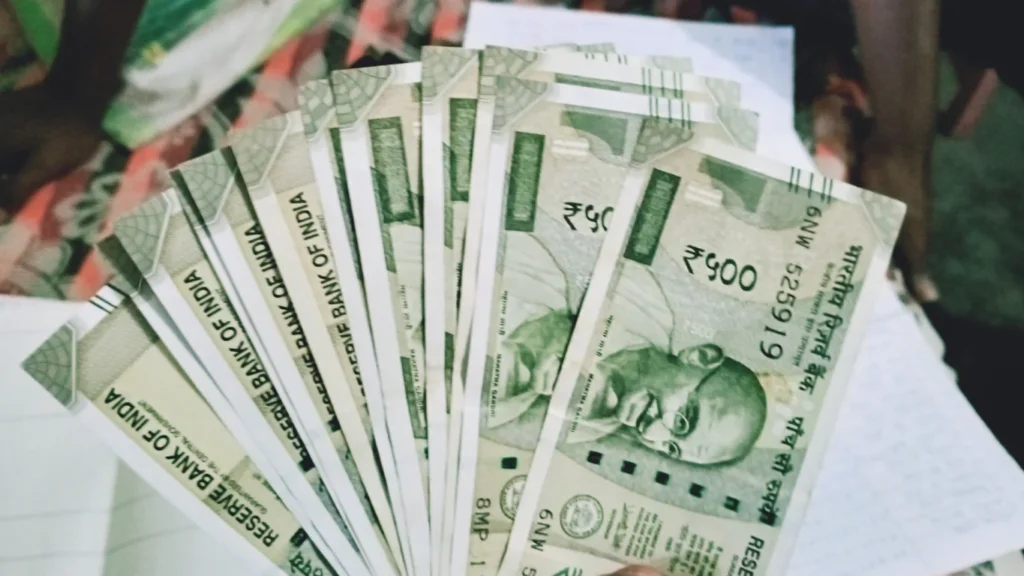
RBI Moves Closer to Polymer Banknotes: A Major Change Could Be Coming for India’s Currency
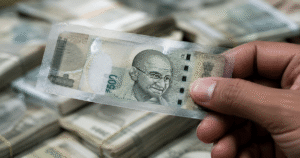
The Reserve Bank of India (RBI) is reportedly moving closer to introducing polymer banknotes, a development that could mark one of the biggest changes to India’s currency system in decades. If implemented, polymer notes would gradually replace traditional paper-based currency with a more durable, secure, and environmentally friendly alternative.
The move comes as central banks around the world continue adopting polymer banknotes to improve the lifespan of currency and reduce counterfeiting. While the RBI has explored the idea in the past, recent developments suggest that India is once again evaluating the benefits of switching to polymer-based notes for selected denominations.
Although the central bank has not officially announced a nationwide rollout, experts believe that pilot projects or phased implementation could be considered if the proposal receives final approval.

What Are Polymer Banknotes?
Polymer banknotes are made from a thin, flexible plastic material rather than the traditional cotton-based paper used in most Indian currency notes.
Unlike paper notes, polymer currency is designed to withstand moisture, dirt, folding, and everyday wear and tear. Because of their durability, these notes remain in circulation much longer, reducing replacement costs for central banks.
Countries such as Australia, Canada, the United Kingdom, Singapore, New Zealand, Vietnam, and several others have already adopted polymer banknotes for many or all of their denominations.

Why Is RBI Considering Polymer Notes?
The RBI has long been focused on improving the quality and security of Indian currency. One of the biggest challenges is the rapid deterioration of lower-denomination notes due to frequent handling.
Polymer notes could address several issues simultaneously.
Key Reasons Behind the Move
- Longer lifespan than paper currency
- Better resistance to water and humidity
- Reduced printing and replacement costs
- Improved anti-counterfeiting measures
- Cleaner notes in circulation
- Enhanced durability in India’s diverse climate
According to banking experts, polymer notes may last two to four times longer than conventional paper currency.
Better Security Against Counterfeit Currency

One of the biggest advantages of polymer banknotes is their advanced security technology.
Modern polymer notes can include:
- Transparent windows
- Color-shifting elements
- Holographic security strips
- Microprinting
- Raised tactile features
- Complex transparent designs
- Advanced UV security features
These features make duplication significantly more difficult, helping authorities combat counterfeit currency.
Counterfeit detection also becomes easier for banks, businesses, and the general public.
Longer Life Means Lower Costs
Although polymer notes are more expensive to produce initially, they generally remain in circulation much longer than paper notes.
Traditional paper notes frequently become:
- Torn
- Dirty
- Faded
- Wet
- Damaged during folding
Replacing damaged notes requires continuous printing, transportation, and destruction of old currency.
Polymer notes reduce these recurring costs because fewer replacements are needed over time.
Environmental Benefits
The environmental impact of polymer notes has often been debated, but several studies suggest that their longer lifespan can reduce the overall carbon footprint of currency production.
Potential environmental advantages include:
- Fewer replacement notes
- Lower transportation requirements
- Reduced paper consumption
- Less frequent destruction of damaged currency
Some countries also recycle worn polymer banknotes into plastic products such as construction materials, furniture, or industrial goods.
Countries Already Using Polymer Currency

Many economies have already transitioned to polymer notes.
Some notable examples include:
- Australia
- Canada
- United Kingdom
- New Zealand
- Singapore
- Brunei
- Vietnam
- Romania
- Mexico
- Nigeria
Australia became the first country to introduce polymer banknotes on a large scale, and the technology has since been adopted by dozens of nations.
Their experience has shown improvements in durability, security, and public acceptance.
Which Indian Notes Could Change First?
If the RBI proceeds with polymer currency, experts believe the rollout may begin with lower-value denominations that experience the highest circulation.
Possible candidates include:
- ₹10
- ₹20
- ₹50
- ₹100
These notes wear out more quickly because they are exchanged frequently in daily transactions.
Higher denominations could follow after successful pilot testing.
However, the RBI has not officially confirmed which denominations, if any, would be introduced first.
Will Existing Currency Become Invalid?
No.
If polymer notes are introduced, existing paper currency would likely continue to remain legal tender during a transition period.
The RBI has historically allowed multiple series of notes to circulate simultaneously before older versions are gradually withdrawn.
Therefore, people would not need to exchange their notes immediately.
Impact on Daily Transactions

For ordinary citizens, the transition would likely be smooth.
Polymer notes can be used in:
- Retail stores
- Banks
- ATMs
- Cash deposit machines
- Public transport
- Digital cash handling systems
Some ATM calibration updates may be required to accommodate new note characteristics, but such changes are generally managed during rollout.
Advantages of Polymer Banknotes
Some of the biggest benefits include:
Improved Durability
Polymer notes resist tearing, folding, and moisture better than paper notes.
Cleaner Currency
The smooth surface attracts less dirt and absorbs less moisture, helping notes remain cleaner.
Stronger Security
Advanced security elements make counterfeiting significantly harder.
Lower Long-Term Costs
Although production costs are higher initially, fewer replacements reduce overall expenses.
Better Public Hygiene
Because polymer notes absorb less moisture and dirt, they may remain cleaner during circulation.
Possible Challenges
Despite the advantages, polymer banknotes also present certain challenges.
These may include:
- Higher initial production costs
- Upgrading printing facilities
- ATM calibration changes
- Public awareness campaigns
- Recycling infrastructure
However, countries that have adopted polymer currency generally report that these challenges become manageable over time.
What Experts Say
Financial experts believe polymer notes align with India’s broader goal of modernising its payment and currency ecosystem.
Improved durability can reduce operational expenses for the central bank, while stronger security features may help curb counterfeit circulation.
Experts also note that India already has experience introducing redesigned currency with enhanced security, making future transitions easier if polymer notes are approved.
What Should Citizens Do?

At present, there is no action required from the public.
People should continue using existing currency as normal.
If polymer notes are introduced officially, the RBI is expected to issue detailed guidelines regarding circulation, security features, and handling procedures.
Citizens are advised to rely only on official RBI announcements and avoid rumours circulating on social media.
Conclusion
The RBI’s renewed focus on polymer banknotes represents a significant step toward modernising India’s currency system. While no nationwide rollout has been officially announced, the proposal highlights the central bank’s efforts to enhance currency durability, strengthen security, reduce long-term costs, and improve efficiency.
If introduced, polymer notes could offer longer-lasting, cleaner, and more secure currency for millions of Indians. Until an official decision is made, existing paper notes will continue to remain valid, and any future transition is expected to be gradual and well communicated.