


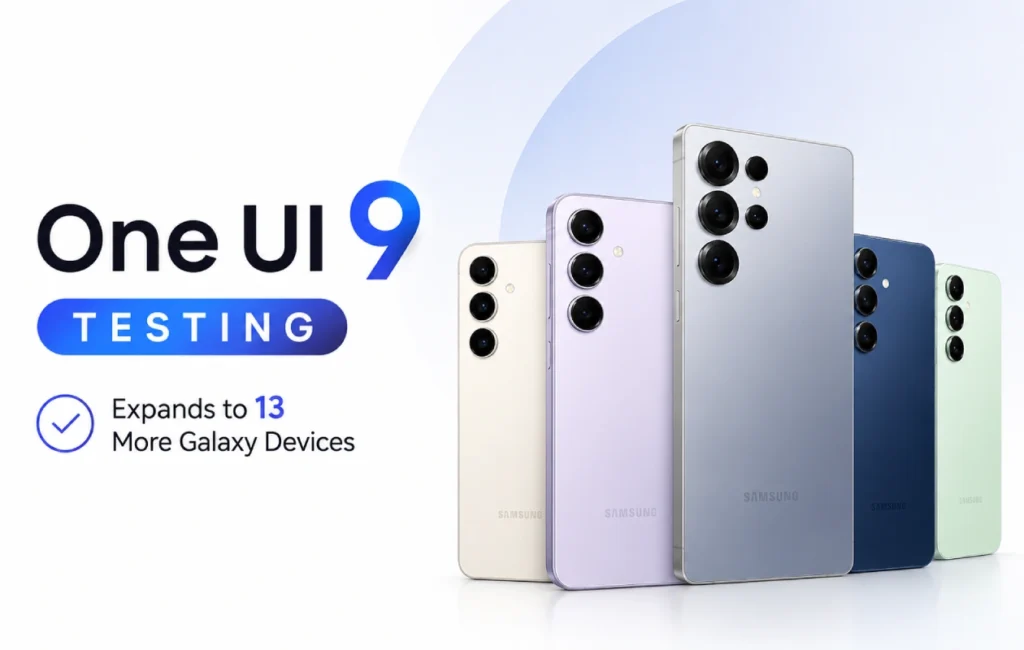
Samsung Expands One UI 9 Internal Testing to 49 Devices: Galaxy S26, Foldables and More Expected to Get the Update
Samsung One UI 9: Samsung appears to be accelerating development of its next-generation Android software as reports suggest that the company has expanded its internal testing programme for One UI 9 to as many as 49 Galaxy devices. The development has created fresh excitement among Samsung users, particularly those waiting for the next major version of the company’s One UI interface.
The reported expansion of internal testing indicates that Samsung could be preparing a wider rollout strategy for One UI 9. While internal testing does not mean that all 49 devices are guaranteed to receive the final update, the development offers an early look at Samsung’s potential software roadmap.
One UI 9 is expected to bring new features, visual refinements, performance improvements and enhanced integration with the latest Android platform. Samsung has not yet officially announced the complete One UI 9 feature list or final eligible-device lineup, so users should consider current information as preliminary until the company makes an official announcement.

Samsung One UI 9 Internal Testing Expands
According to reports circulating online, Samsung has increased the number of Galaxy smartphones and tablets involved in internal testing for One UI 9. The reported testing list has now reached 49 devices, highlighting the scale of Samsung’s preparation for its next software generation.
Internal testing is an important stage in the development of a major Android update. Before a new One UI version becomes available to consumers, Samsung typically tests the software internally across different hardware configurations.
This process allows engineers to identify bugs, optimize performance and ensure compatibility with various Galaxy devices.
The expansion to 49 devices could indicate that Samsung is evaluating One UI 9 across a broad range of hardware. However, it is important to understand that internal testing lists are not the same as official update eligibility lists.
A device may be tested internally and still not receive the final public update, while some eligible devices could be added to testing at a later stage.

What Is One UI 9?
One UI 9 is expected to be Samsung’s next major version of its Android-based user interface.
Samsung’s One UI software is designed to provide a consistent experience across its Galaxy smartphone and tablet portfolio. Over the years, the company has introduced new design elements, privacy controls, customization options and AI-powered features through successive One UI releases.
The next generation is expected to continue this strategy.
Although Samsung has not officially revealed the complete One UI 9 feature set, users can reasonably expect improvements in areas such as system performance, animations, privacy, security and device connectivity.
The update could also bring changes based on the underlying Android version on which it is built.
However, the exact Android version associated with One UI 9 and the final list of new features will need to be confirmed by Samsung.
49 Galaxy Devices Reportedly Under Internal Testing
The most notable part of the latest One UI 9 development is the reported expansion to 49 Galaxy devices.
The testing reportedly covers multiple product categories, potentially including flagship Galaxy S smartphones, foldable devices, Galaxy Z models, Galaxy A-series phones and Galaxy tablets.
Samsung’s strategy of testing software across a large number of devices is important because the company now has one of the largest Android device ecosystems in the global smartphone market.
Each Galaxy device comes with different hardware configurations. Flagship smartphones may have more powerful processors and advanced displays, while mid-range devices use different chipsets and memory configurations.
Testing One UI 9 on a broad range of devices can therefore help Samsung identify hardware-specific problems before releasing the software to consumers.
It also allows the company to optimize the user experience according to the capabilities of each device.
Galaxy S Series Could Be Among the First

Samsung’s flagship Galaxy S series is likely to be among the first smartphone families considered for the One UI 9 update.
Recent flagship devices generally receive Samsung’s major Android and One UI updates earlier than older or lower-priced models.
The Galaxy S series is also important for Samsung’s software strategy because new One UI features are often demonstrated on premium devices before becoming available on a wider range of Galaxy products.
The latest Galaxy S models could therefore play a central role in the early One UI 9 testing programme.
However, users should wait for Samsung’s official announcement before assuming that a particular Galaxy S model will receive every feature.
Some software features require specific hardware capabilities, meaning that the same One UI version can offer different functions on different Galaxy devices.
Samsung Galaxy Z Fold and Z Flip Devices
Samsung’s foldable smartphone lineup is another major category expected to receive attention during One UI 9 development.
The Galaxy Z Fold and Galaxy Z Flip series have unique display configurations and multitasking requirements. As a result, software optimization is particularly important for these devices.
One UI is a key part of Samsung’s foldable experience, providing features such as multi-window functionality, app continuity and flexible display layouts.
With One UI 9, Samsung could potentially introduce additional improvements for multitasking and large-screen productivity.
The company may also optimize the software experience for cover screens and internal foldable displays.
However, these features remain speculative until Samsung officially announces One UI 9.
Galaxy A Series Could Also Benefit
Samsung’s Galaxy A series is among the company’s most popular smartphone families, particularly in markets such as India.
If the reported internal testing expansion includes Galaxy A-series devices, it could be good news for users looking forward to receiving the next major software update.
Samsung has significantly improved its software-update policy in recent years, offering longer support periods for many new Galaxy devices.
However, not every Galaxy A-series smartphone will necessarily receive One UI 9. Update eligibility typically depends on the device’s launch date, software-support policy and hardware capabilities.
Older models may also receive a reduced set of features compared with newer flagship devices.
Therefore, Galaxy A-series users should wait for the official eligible-device list before assuming their smartphone will receive the update.
One UI 9 Expected Features

Samsung has not officially confirmed the One UI 9 feature list. Nevertheless, users can expect the company to focus on several key areas.
One major area could be performance optimization.
As smartphones become more powerful, Samsung continues to refine animations, app loading and background processes. One UI 9 could introduce system-level improvements designed to make Galaxy devices feel faster and more responsive.
Another expected area is AI integration.
Samsung has increasingly focused on Galaxy AI features across its premium devices. One UI 9 could potentially expand AI-powered functionality, although the availability of such features may depend on the device’s processor and hardware capabilities.
Privacy and security could also receive improvements.
Android updates frequently introduce new security controls and permissions management features. Samsung may integrate these changes into One UI 9 while adding its own security tools.
Customization is another area where Samsung users could see new options.
One UI has traditionally offered extensive customization, including wallpapers, themes, lock-screen options and widgets. The next software version could expand these capabilities further.
One UI 9 and Galaxy AI
Artificial intelligence is expected to remain an important part of Samsung’s software strategy.
The company has already introduced several AI-powered features across its Galaxy ecosystem. These include tools designed to assist with communication, productivity, image editing and content creation.
With One UI 9, Samsung could continue expanding the role of AI within the Galaxy experience.
However, it is unlikely that every AI feature will be available on every device.
AI capabilities often depend on processing power, memory and dedicated hardware. Older smartphones may receive the One UI 9 update but could miss certain advanced Galaxy AI features.
This means users should distinguish between receiving One UI 9 and receiving every new feature introduced with One UI 9.
One UI 9 Beta Programme

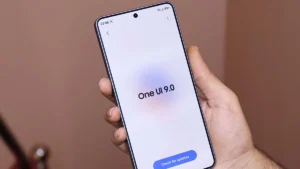
Before Samsung releases a major One UI version globally, the company may launch a beta programme for selected Galaxy devices and regions.
The beta programme allows Samsung to collect feedback from users and identify issues that may not appear during internal testing.
If Samsung follows its previous software-release strategy, selected flagship Galaxy devices could be among the first to participate in One UI 9 beta testing.
However, beta availability can vary significantly depending on country and device model.
Samsung’s beta programmes are often launched in selected markets before expanding to additional regions.
Indian Galaxy users should therefore monitor Samsung’s official announcements and the Samsung Members application for any information regarding beta availability.
When Will One UI 9 Be Released?
The exact One UI 9 release date has not yet been officially confirmed.
The expansion of internal testing suggests that Samsung is actively working on the software, but internal development can continue for several months before a public release begins.
Samsung typically follows a phased rollout strategy for major software updates.
The newest flagship devices generally receive updates first, followed by additional premium smartphones, foldables, tablets and eligible mid-range models.
The rollout may also take place in stages depending on the region and carrier.
As a result, even if One UI 9 becomes available for one Galaxy device, users with another model may have to wait longer.
What the 49-Device Testing Expansion Means
The reported expansion to 49 devices is significant because it suggests that Samsung is preparing One UI 9 for a broad Galaxy ecosystem.
It also demonstrates how complicated modern smartphone software development has become.
Samsung must ensure that the same core software works reliably across devices with different processors, cameras, displays, batteries and memory configurations.
The internal testing process can help the company identify compatibility problems before they affect millions of users.
For consumers, a broader testing programme could ultimately result in a more stable public release.
However, the number of devices involved in testing should not be interpreted as a guarantee that all 49 models will receive the final update.
Samsung One UI 9 Update: What Users Should Do
Galaxy users waiting for One UI 9 should keep their devices updated with the latest stable software.
It is also advisable to maintain sufficient free storage before installing a major Android update.
Users participating in beta programmes should remember that beta software can contain bugs and performance issues. It is generally recommended to back up important data before installing test software.
For the most accurate information, users should rely on Samsung’s official announcements, software-update pages and Samsung Members notifications.
Third-party reports can provide early information, but Samsung’s official update roadmap remains the final authority.
One UI 9 Update Eligibility
At present, Samsung has not published a final official list confirming every device that will receive One UI 9.
The reported internal testing list provides clues about Samsung’s development priorities but should not be treated as a confirmed eligibility list.
Newer Galaxy S-series and Galaxy Z-series devices are likely to receive priority, while eligible Galaxy A-series and tablet models could follow depending on Samsung’s software-support policy.
The final rollout will also depend on factors such as device age, hardware compatibility and regional availability.
One UI 9 FAQs

What is Samsung One UI 9?
One UI 9 is expected to be Samsung’s next major version of its Android-based user interface, bringing new features, performance improvements and system enhancements to eligible Galaxy devices.
How many Samsung devices are reportedly being tested?
Reports indicate that Samsung has expanded internal One UI 9 testing to 49 Galaxy devices.
Does internal testing mean my phone will get One UI 9?
Not necessarily. Internal testing indicates that Samsung is evaluating software on a device, but it does not automatically guarantee a final public update.
Will Galaxy S and Galaxy Z devices get One UI 9?
Newer flagship Galaxy S and Galaxy Z devices are expected to be among the primary candidates, but Samsung’s official eligibility list will confirm supported models.
Will Galaxy A-series phones receive One UI 9?
Some eligible Galaxy A-series smartphones could receive the update, depending on Samsung’s software-support policy and the individual device’s launch date.
When will Samsung release One UI 9?
Samsung has not officially confirmed a public release date. The timing will likely vary by device and region.
Final Word
The reported expansion of Samsung One UI 9 internal testing to 49 Galaxy devices is an important development for Samsung users waiting for the company’s next major software update.
The move suggests that Samsung is actively preparing its software for a broad range of Galaxy smartphones and tablets. Flagship Galaxy S devices, foldables and selected Galaxy A-series models could eventually become part of the public rollout, although the final list remains unconfirmed.
One UI 9 is expected to focus on performance, customization, security and potentially new AI-powered experiences. However, users should remember that internal testing information can change before the final software release.
For now, the biggest takeaway is that Samsung appears to be accelerating development and testing of its next-generation One UI experience. As the company moves closer to a public beta and eventual stable release, more information about supported devices and new features is likely to emerge.
Samsung Galaxy users should therefore keep an eye on official announcements for the final One UI 9 eligible devices list, beta programme details and release schedule.