



SEBI Approval for NSE IPO: Is India’s Biggest Stock Exchange Finally Ready to Go Public?
SEBI Approval NSE IPO: A Major Milestone for India’s Capital Markets
The long-awaited Initial Public Offering (IPO) of the National Stock Exchange (NSE) may finally be moving closer to reality. Recent developments surrounding the Securities and Exchange Board of India (SEBI) and NSE have reignited investor excitement, with market participants eagerly awaiting official approval for one of India’s most anticipated public listings.
For years, the NSE IPO has been surrounded by regulatory hurdles, legal challenges, and governance concerns. However, with significant progress in resolving past issues and ongoing discussions with market regulators, expectations are rising that SEBI approval could pave the way for the exchange’s much-awaited stock market debut.
If approved, the NSE IPO could become one of the largest and most significant listings in Indian capital market history.

Why the NSE IPO Matters
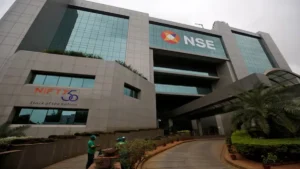
The National Stock Exchange is India’s largest stock exchange and among the world’s biggest derivatives trading platforms. Established in 1992, NSE revolutionized India’s financial markets by introducing electronic trading and improving transparency and efficiency.
Today, NSE handles billions of rupees worth of transactions daily and serves millions of investors across the country. Despite its dominant position, the exchange itself remains unlisted, making it a rare case among major global exchanges.
Many shareholders, including institutional investors, banks, insurance companies, and private equity firms, have been waiting for years to unlock value through an IPO.
The listing would not only provide liquidity to existing shareholders but also offer retail investors an opportunity to own a stake in one of India’s most influential financial institutions.

Background: Why Was the NSE IPO Delayed?
The NSE initially filed draft papers for its IPO several years ago. However, regulatory concerns emerged following the co-location controversy.
The issue revolved around allegations that certain market participants received preferential access to NSE’s trading systems, potentially gaining an unfair advantage.
The matter triggered multiple investigations by regulators and legal authorities.
As a result:
- NSE’s IPO plans were put on hold.
- SEBI raised governance concerns.
- Several legal proceedings continued for years.
- Investors remained uncertain about the timeline.
The exchange has since taken multiple corrective measures, strengthened governance standards, enhanced compliance frameworks, and worked closely with regulators to address concerns.
These efforts have significantly improved the prospects for eventual regulatory clearance.
Recent Developments Fuel IPO Expectations
Market experts believe recent interactions between NSE and SEBI indicate meaningful progress toward resolving pending issues.
Reports suggest that NSE has been actively engaging with the regulator and providing additional information required for moving forward with the IPO process.
Industry observers note that:
- Several historical compliance issues have been addressed.
- Governance structures have been strengthened.
- Operational transparency has improved.
- Regulatory communication has become more constructive.
While an official approval timeline remains uncertain, investor confidence has increased substantially.
The possibility of receiving SEBI’s green signal has become one of the most closely watched developments in India’s financial markets.
What Could Happen After SEBI Approval?


If SEBI grants approval, NSE would likely move forward with the next stages of the IPO process.
These may include:
Filing Updated Documents
The exchange may need to submit updated offer documents reflecting its latest financial position, business operations, and regulatory disclosures.
Determining Valuation
One of the biggest questions surrounding the IPO is valuation.
Given NSE’s market leadership, profitability, and strategic importance, analysts expect the exchange to command a premium valuation.
Market estimates have varied significantly, but many experts believe the exchange could be valued among India’s most valuable financial institutions.
Price Discovery
The IPO process would enable market-driven price discovery, helping determine the fair value of NSE shares.
Listing on Stock Exchanges
Once completed, NSE shares could begin trading publicly, allowing retail and institutional investors to participate in its growth story.
NSE’s Financial Strength
One of the primary reasons investors are excited about the IPO is NSE’s strong financial performance.
The exchange generates revenue from multiple sources, including:
- Trading fees
- Clearing services
- Data products
- Technology services
- Listing fees
- Index-related businesses
The growth of retail investing, mutual funds, derivatives trading, and digital financial services has contributed significantly to NSE’s business expansion.
India’s increasing participation in capital markets has further strengthened the exchange’s position.
As more individuals invest through demat accounts and online trading platforms, NSE continues to benefit from rising trading volumes.
Impact on Existing Shareholders
A successful IPO would be particularly beneficial for existing shareholders who have waited years for an exit opportunity.
Several institutions currently hold stakes in NSE, including:
- Banks
- Insurance companies
- Financial institutions
- Investment firms
The listing would provide these investors with a transparent market mechanism to monetize their holdings.
It would also establish a publicly traded valuation benchmark for the exchange.
What It Means for Retail Investors


For retail investors, the NSE IPO could represent a unique opportunity.
Unlike traditional companies operating in manufacturing or services, stock exchanges benefit directly from increasing market participation.
Key attractions include:
Strong Market Position
NSE remains India’s dominant exchange in several market segments.
High Entry Barriers
Building a competing exchange requires significant regulatory approvals, technology infrastructure, and market trust.
Growth of Indian Capital Markets
India’s financial markets continue to expand rapidly, supported by economic growth, digitization, and increasing investor awareness.
Revenue Diversification
The exchange generates income from multiple business segments, reducing dependence on a single source.
These factors make the IPO particularly attractive to long-term investors.
Potential Challenges Ahead
Despite growing optimism, certain challenges remain.
Regulatory Scrutiny
Given NSE’s importance to India’s financial system, regulators are expected to maintain strict oversight throughout the IPO process.
Valuation Concerns
High investor expectations may result in aggressive valuation assumptions.
Investors will need to carefully evaluate pricing before making investment decisions.
Market Conditions
The success of any IPO depends partly on broader market sentiment.
Factors such as interest rates, global economic conditions, foreign investment flows, and stock market volatility can influence investor demand.
Competitive Landscape
Although NSE is a market leader, competition from other exchanges and evolving financial technologies remains a long-term consideration.
How the NSE IPO Could Transform India’s Markets


The listing of NSE could have a broader impact beyond shareholders and investors.
Increased Transparency
Publicly listed companies must adhere to strict disclosure requirements.
This could further strengthen transparency and corporate governance.
Improved Investor Participation
A high-profile IPO often attracts new investors to the market.
Benchmark for Financial Sector Listings
The success of NSE could encourage other financial market infrastructure institutions to explore public listings.
Global Recognition
A publicly traded NSE would further enhance India’s visibility in global financial markets.
International investors closely monitor developments involving major exchanges, and a successful IPO could strengthen confidence in India’s regulatory ecosystem.
Market Experts Remain Optimistic
Many market analysts believe the eventual NSE IPO is not a question of “if” but “when.”
The exchange’s strong fundamentals, dominant market position, and strategic importance make it one of the most anticipated listings in the country.
Experts expect substantial institutional demand if the IPO receives regulatory approval.
Retail participation is also likely to be strong, given NSE’s brand recognition and role in India’s financial ecosystem.
However, analysts continue to advise investors to review the final offer documents carefully before making investment decisions.
Future Outlook
The road to the NSE IPO has been long and complex, marked by regulatory challenges and extended delays. Yet recent developments indicate that meaningful progress is being made.
If SEBI grants approval, the IPO could become a landmark event for India’s stock markets and one of the biggest public offerings in the country’s history.
The listing would provide value realization for shareholders, offer a unique investment opportunity for the public, and strengthen India’s position as a rapidly growing global financial hub.
As investors await further announcements, all eyes remain on SEBI and NSE. The coming months could determine whether one of India’s most awaited IPO stories finally reaches its conclusion.

Conclusion
The potential SEBI approval for the NSE IPO marks a crucial turning point for India’s capital markets. After years of anticipation, regulatory scrutiny, and structural reforms, the possibility of NSE going public appears stronger than ever.
For investors, market participants, and the broader financial ecosystem, the NSE IPO represents far more than a simple stock listing. It symbolizes the maturity, growth, and global ambitions of India’s financial markets. While the final timeline remains uncertain, the momentum surrounding the IPO continues to build, making it one of the most closely watched developments in the investment community.