

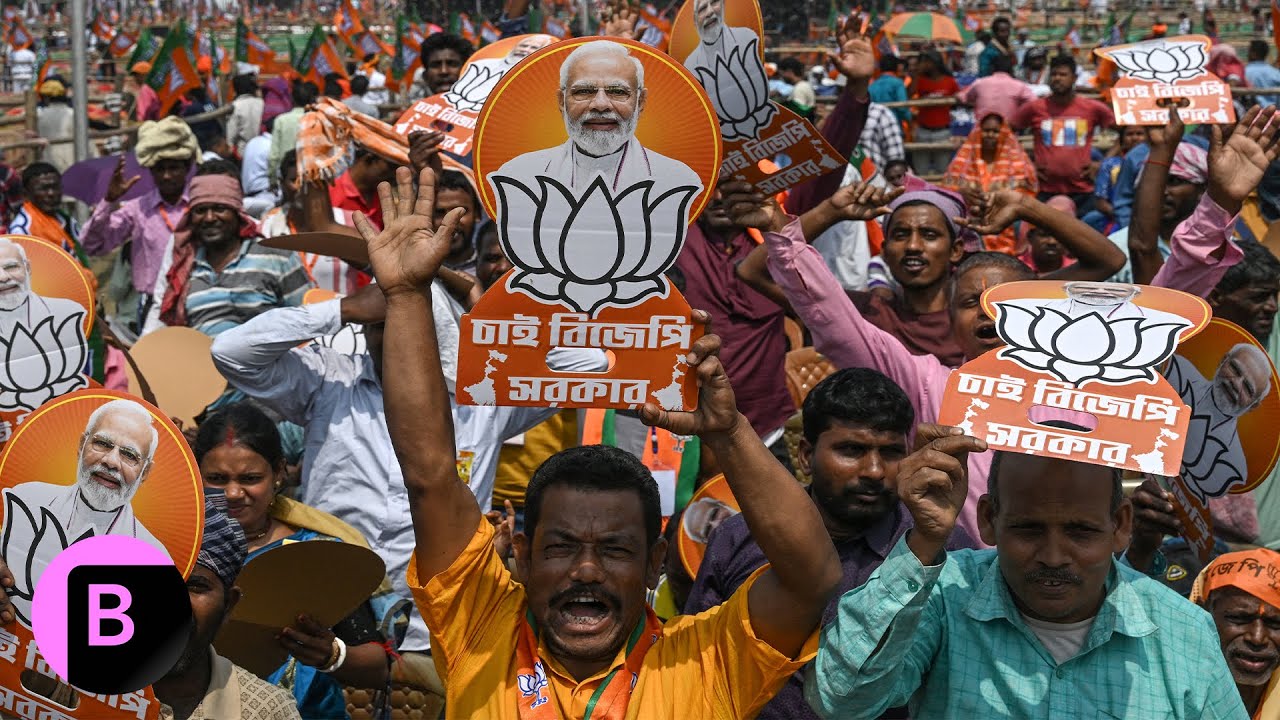
The recent electoral victory of the Bharatiya Janata Party (BJP) in West Bengal has sparked widespread debate across political circles. While the numbers alone signify a strong performance, analysts and observers argue that the win goes far beyond electoral arithmetic. It represents a significant ideological breakthrough in a state historically dominated by regional and left-leaning politics.
In this comprehensive analysis, we explore how BJP’s rise in West Bengal marks not just a political shift but also an ideological transformation.
A Historic Shift in West Bengal Politics
For decades, West Bengal has been a stronghold of leftist ideology, primarily under the influence of the Communist Party of India (Marxist) (CPI-M). Later, the All India Trinamool Congress (TMC), led by Mamata Banerjee, took over the political landscape.
The BJP’s emergence in such an environment signals a dramatic change. The party, which once had minimal presence in the state, has steadily built its base over the past decade. Its recent electoral success demonstrates that voters are increasingly open to alternative ideologies.
Understanding the Ideological Breakthrough
From Regional Identity to National Narrative
One of the most notable aspects of BJP’s rise is its ability to shift the political discourse from regional identity to a broader national narrative. The party’s emphasis on nationalism, development, and governance has resonated with a significant section of the electorate.
Leaders like Narendra Modi and Amit Shah played a crucial role in communicating this vision effectively to voters in West Bengal.
Cultural and Religious Mobilization

The BJP’s ideological success is also tied to its focus on cultural identity. By highlighting issues related to heritage, tradition, and religious sentiments, the party managed to connect emotionally with voters.
This approach marked a departure from the secular and class-based politics traditionally practiced in the state. The shift indicates that cultural narratives are becoming increasingly influential in shaping electoral outcomes.
Grassroots Expansion and Organizational Strength
Another key factor behind BJP’s success is its strong grassroots expansion. The party invested heavily in building a robust organizational structure at the booth level.
From local outreach programs to digital campaigns, BJP ensured that its message reached every corner of the state. This systematic effort helped the party convert ideological appeal into actual votes.
Challenges to Established Political Forces

Decline of Left Influence
The diminishing influence of the Left in West Bengal is a significant development. Once a dominant force, parties like CPI-M have struggled to maintain their relevance in the face of BJP’s aggressive expansion.
This decline has created a political vacuum that BJP has successfully filled.
Pressure on Trinamool Congress
The rise of BJP has also intensified competition for the ruling TMC. While Mamata Banerjee continues to enjoy strong support, the BJP’s growing presence has made elections more competitive than ever before.
The ideological clash between BJP and TMC has redefined the state’s political dynamics, turning it into a high-stakes battleground.
Key Factors Behind BJP’s Success
1. Strong Leadership Appeal
The charisma and popularity of Prime Minister Narendra Modi have played a crucial role. His rallies and speeches attracted massive crowds, energizing the party’s base.
2. Development Agenda
The BJP’s focus on development, infrastructure, and welfare schemes helped it gain traction among voters seeking change.
3. Strategic Alliances and Campaigning
The party’s strategic planning, including candidate selection and campaign management, ensured maximum impact.
4. Polarization and Identity Politics
While controversial, identity-based mobilization played a role in consolidating support among certain voter groups.
Implications for National Politics

The BJP’s ideological success in West Bengal has broader implications for Indian politics. It demonstrates that the party can expand beyond its traditional strongholds and penetrate regions with different political cultures.
This could influence future electoral strategies not just in eastern India but across the country.
Criticism and Concerns
Despite its success, BJP’s rise in West Bengal has not been without criticism. Opponents argue that the party’s approach may deepen social divisions and undermine the state’s long-standing traditions of inclusivity.
Political analysts also caution that sustaining this momentum will require consistent performance and governance.
What Lies Ahead?
The future of West Bengal politics looks increasingly competitive. With BJP emerging as a formidable force, voters now have a clear alternative, which could lead to more dynamic and issue-based politics.
The coming years will determine whether BJP can translate its ideological success into long-term governance and stability in the state.

Conclusion
The BJP’s electoral victory in West Bengal is more than just a political milestone—it is a reflection of a deeper ideological shift within the state. By challenging established narratives and introducing new political themes, the party has reshaped the electoral landscape.
As the battle for West Bengal intensifies, one thing is clear: the state is no longer a one-party dominated arena. Instead, it has become a vibrant and competitive political space where ideology, governance, and leadership will play decisive roles.