

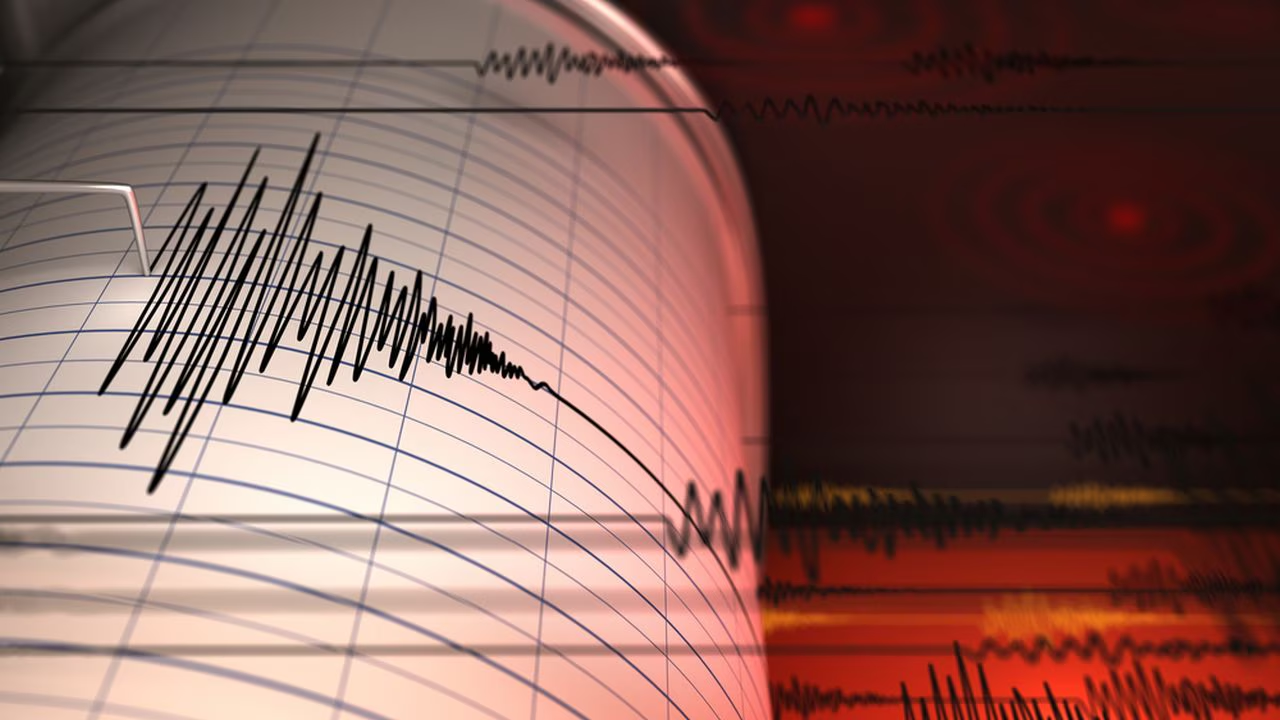
Earthquake Near Me: Recent Tremors Raise Concerns, Experts Explain What Residents Should Know
Earthquake Near Me: Why People Are Searching for the Latest Seismic Updates
The phrase “earthquake near me” has become one of the most searched terms online whenever seismic activity is reported in a region. Residents often rush to search engines and social media platforms to determine the magnitude of the earthquake, the location of the epicenter, and whether there is any risk of aftershocks or damage.
Recent earthquake reports from various parts of the world have once again highlighted the importance of earthquake preparedness and awareness. Even moderate tremors can cause panic among residents, especially in densely populated urban areas where high-rise buildings and infrastructure are vulnerable to seismic activity.
As people continue to search for updates about earthquakes near their location, experts emphasize the need to rely on official sources and understand basic safety measures during and after a quake.
What Happened During the Recent Earthquake?
According to preliminary seismic reports, the earthquake was detected by monitoring agencies that continuously track tectonic activity. Residents in nearby areas reported feeling sudden shaking, rattling windows, swaying ceiling fans, and vibrations through buildings.
While the intensity experienced by individuals can vary depending on distance from the epicenter and local geological conditions, even smaller earthquakes can be noticeable when they occur close to populated regions.
Emergency authorities and geological survey agencies typically release information shortly after an earthquake occurs, including:
- Magnitude of the earthquake
- Depth of the seismic event
- Epicenter location
- Potential impact zones
- Risk of aftershocks
These details help residents understand the severity of the event and determine whether further precautions are necessary.
Why Do Earthquakes Occur?
Earthquakes occur due to the movement of tectonic plates beneath the Earth’s surface. The Earth’s crust is divided into several large and small plates that constantly move, although usually very slowly.
When stress builds up along faults between these plates, energy is suddenly released, causing seismic waves that travel through the ground. This release of energy is what people experience as an earthquake.
Major causes of earthquakes include:
1. Tectonic Plate Movement
Most earthquakes occur when tectonic plates collide, separate, or slide past one another.
2. Volcanic Activity
Volcanic eruptions can trigger earthquakes as magma moves beneath the Earth’s surface.
3. Human Activities
Certain human activities such as mining, reservoir-induced seismicity, and deep underground drilling have been linked to minor earthquakes in some regions.
Areas Most Vulnerable to Earthquakes
Several regions around the world are considered earthquake-prone due to their proximity to active fault lines and tectonic boundaries.
Some notable earthquake zones include:
- Pacific Ring of Fire
- Himalayan seismic belt
- Japan
- Indonesia
- California in the United States
- Turkey
- Nepal
- Parts of northern India
India itself falls within multiple seismic zones, with northern and northeastern regions considered highly vulnerable.
Cities located in high-risk zones often enforce stricter building codes to minimize earthquake-related damage.
Magnitude vs Intensity: Understanding the Difference
Many people confuse earthquake magnitude with intensity.
Magnitude
Magnitude measures the amount of energy released during an earthquake. It is recorded using scales such as the Moment Magnitude Scale (Mw).
Intensity
Intensity describes how strongly people feel the earthquake at specific locations. It can vary depending on:
- Distance from the epicenter
- Soil conditions
- Building structures
- Geological features
A moderate earthquake can feel much stronger in one city than another due to these factors.
What Should You Do During an Earthquake?
Earthquake safety experts recommend following the “Drop, Cover, and Hold On” principle.
Drop
Get down on your hands and knees before the shaking causes you to fall.
Cover
Take shelter under a sturdy table or desk. Protect your head and neck.
Hold On
Hold onto your shelter until the shaking stops.
Additional safety tips include:
- Stay away from windows.
- Avoid elevators.
- Do not run outside during strong shaking.
- Move to an open area if outdoors.
- Pull over safely if driving.
These simple actions can significantly reduce the risk of injury.
What to Do After an Earthquake
Once the shaking stops, remain alert for aftershocks.
Experts recommend:
Check for Injuries
Provide first aid if necessary and seek medical assistance.
Inspect Your Home
Look for:
- Gas leaks
- Electrical hazards
- Structural cracks
- Water pipe damage
Follow Official Instructions
Local authorities may issue evacuation orders or safety advisories.
Stay Informed
Use reliable sources for updates rather than relying solely on social media rumors.
Can Earthquakes Be Predicted?
One of the most common questions people ask after searching “earthquake near me” is whether earthquakes can be predicted.
Currently, scientists cannot accurately predict the exact time, location, and magnitude of an earthquake.
However, modern technology allows researchers to:
- Monitor seismic activity
- Track fault movements
- Identify high-risk regions
- Issue rapid alerts after earthquakes occur
Several countries have implemented earthquake early warning systems that provide a few seconds of notice before strong shaking reaches populated areas.
While this may seem brief, even a few seconds can help people take protective action.
Economic Impact of Earthquakes
Earthquakes can cause significant economic losses.
Major consequences include:
Infrastructure Damage
Roads, bridges, railways, airports, and power grids can suffer extensive damage.
Business Disruptions
Companies may face temporary shutdowns, affecting local and national economies.
Housing Losses
Residential buildings can sustain severe structural damage, displacing thousands of people.
Insurance Claims
Large earthquakes often lead to billions of dollars in insurance payouts.
Governments frequently allocate emergency funds for reconstruction and disaster relief efforts following major seismic events.
How Technology Is Improving Earthquake Monitoring
Advancements in seismic monitoring have transformed how earthquakes are detected and analyzed.
Modern technologies include:
- Satellite imaging
- GPS monitoring systems
- Artificial intelligence-based seismic analysis
- Real-time earthquake tracking networks
- Smartphone alert systems
These tools help authorities respond more quickly and improve disaster preparedness strategies.
Several mobile applications now provide real-time earthquake alerts, enabling users to receive notifications about seismic events occurring nearby.
Climate Change and Earthquakes: Is There a Link?
Scientists generally agree that climate change does not directly cause tectonic earthquakes.
However, certain environmental changes may influence geological stress in specific regions.
Researchers continue to study how factors such as:
- Glacier melting
- Reservoir construction
- Groundwater extraction
may affect seismic activity under particular conditions.
Despite ongoing research, tectonic plate movement remains the primary cause of most earthquakes worldwide.
Why “Earthquake Near Me” Searches Spike Immediately After Tremors
Search trends consistently show dramatic spikes in “earthquake near me” queries immediately after seismic events.
People typically search for:
- Magnitude information
- Epicenter location
- Damage reports
- Tsunami warnings
- Aftershock risks
- Safety instructions
This surge in online activity highlights the importance of timely communication from emergency management agencies and geological survey organizations.
Accurate information helps reduce panic and prevents the spread of misinformation during emergencies.
Future Preparedness Is Key
While earthquakes cannot currently be prevented, communities can significantly reduce risks through preparation and resilient infrastructure.
Experts recommend:
- Earthquake-resistant construction
- Regular emergency drills
- Public awareness programs
- Emergency supply kits
- Updated building regulations
Preparedness remains the most effective defense against earthquake-related injuries and property damage.
Conclusion
The recent increase in searches for “earthquake near me” reflects growing public awareness about seismic events and personal safety. Whether the tremor is minor or significant, understanding earthquake risks and following recommended safety practices can make a crucial difference.
As monitoring technology continues to improve, authorities are becoming better equipped to detect, analyze, and respond to seismic activity. However, preparedness at the individual and community levels remains essential.
Residents are encouraged to stay informed through official channels, follow emergency guidance, and maintain readiness for future seismic events. In an unpredictable natural environment, awareness and preparation are the strongest tools available to protect lives and property when the ground begins to shake.