

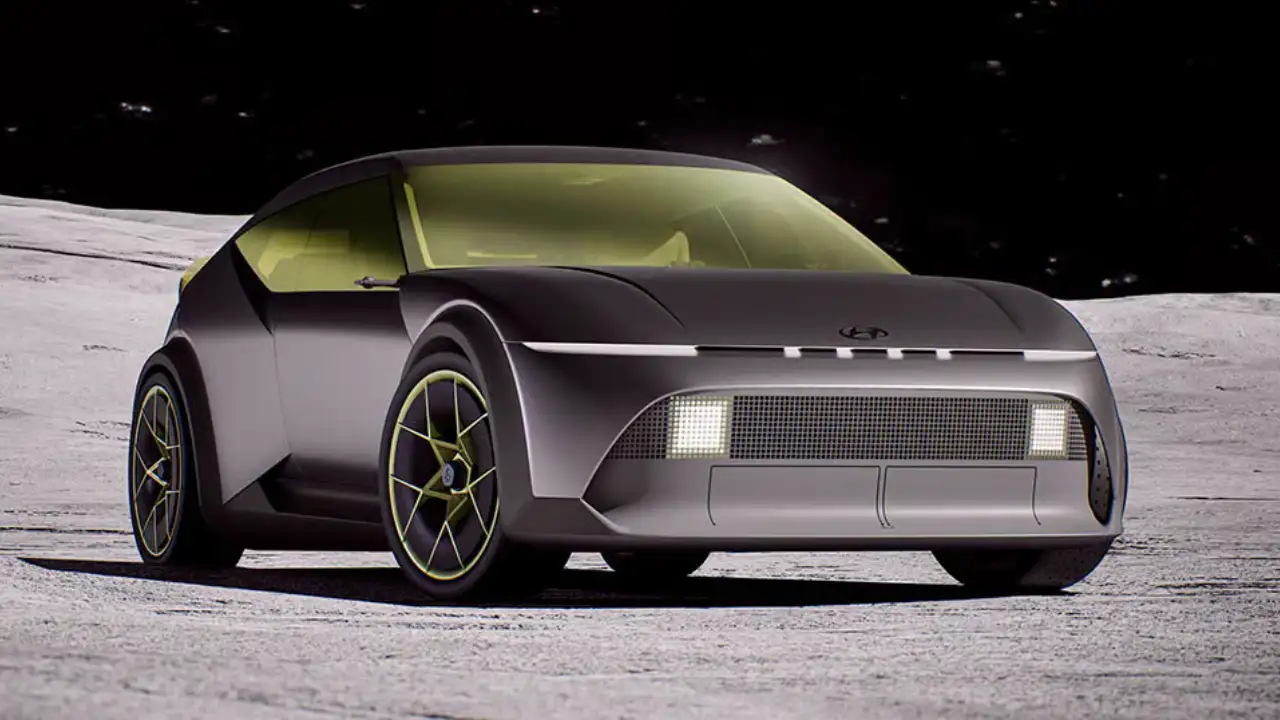
Hyundai Ioniq 3: How Hyundai Is Making the EV2 Platform More Efficient and Affordable
The global electric vehicle (EV) market is evolving rapidly, and Hyundai Motor Company is once again at the forefront of innovation. With the introduction of the Hyundai Ioniq 3, the company is taking a major step toward making electric mobility more efficient, accessible, and practical for everyday users.
Built on the next-generation EV2 platform, the Hyundai Ioniq 3 aims to deliver improved efficiency, reduced costs, and better real-world usability—making it a crucial addition to Hyundai’s expanding EV lineup that already includes models like the Hyundai Ioniq 5 and Hyundai Ioniq 6.
Hyundai Ioniq 3: Key Highlights
- Built on the advanced EV2 platform
- Improved battery efficiency and range
- Compact design for urban mobility
- Affordable pricing strategy
- Smart connected features and AI integration
The Hyundai Ioniq 3 is expected to become a mass-market electric vehicle, targeting buyers who want a balance between affordability and advanced technology.
What Is the EV2 Platform?
The EV2 platform is Hyundai’s next step in its electric vehicle strategy. While the current Ioniq lineup is based on the E-GMP platform, EV2 is designed to be:
- More cost-efficient
- Lightweight
- Energy-efficient
- Scalable for smaller vehicles
This new architecture will help Hyundai reduce production costs while maintaining performance and safety standards.
According to Hyundai Motor Company, the EV2 platform focuses on maximizing battery efficiency, which directly improves driving range and reduces charging frequency.
Battery Efficiency: The Biggest Upgrade
One of the standout features of the Hyundai Ioniq 3 is its enhanced battery technology.
Key Improvements:
- Higher energy density batteries
- Better thermal management
- Reduced energy loss
- Faster charging capabilities
These improvements mean the Ioniq 3 can deliver longer range with a smaller battery, making it both cost-effective and environmentally friendly.
How Hyundai Is Making EVs More Efficient
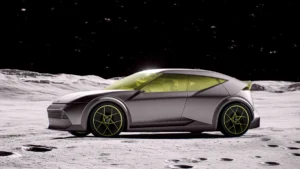
Hyundai’s strategy with the Ioniq 3 revolves around efficiency at every level:
1. Lightweight Construction
Using advanced materials, Hyundai has reduced the overall weight of the vehicle, improving energy consumption.
2. Aerodynamic Design
The car features a sleek and compact design that minimizes air resistance, enhancing range.
3. Smart Energy Management
AI-based systems optimize battery usage based on driving conditions.
4. Regenerative Braking
Improved regenerative braking technology helps recover more energy during driving.
Together, these innovations make the Ioniq 3 one of the most efficient EVs in its segment.
Design & Dimensions
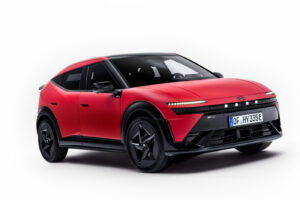
The Hyundai Ioniq 3 is expected to feature a compact yet futuristic design, tailored for city driving.
Design Highlights:
- Minimalist exterior styling
- LED lighting signature
- Compact footprint for easy maneuverability
- Spacious interior despite smaller size
The design philosophy aligns with Hyundai’s “Parametric Pixel” theme, seen in models like the Hyundai Ioniq 5.
Smart Features & Technology
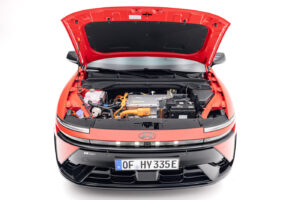
Hyundai is equipping the Ioniq 3 with advanced smart features to enhance user experience.
Expected Features:
- AI-powered infotainment system
- Connected car technology
- Over-the-air (OTA) updates
- Advanced driver assistance systems (ADAS)
These features ensure that the Ioniq 3 is not just efficient, but also future-ready and tech-savvy.
Focus on Affordability
One of the biggest goals of the Hyundai Ioniq 3 is to make EVs accessible to a wider audience.
Cost-Reduction Strategies:
- Simplified platform (EV2)
- Localized production
- Efficient battery usage
- Reduced manufacturing complexity
This approach allows Hyundai Motor Company to offer a competitive price without compromising quality.
🇮🇳 Expected India Launch
The Hyundai Ioniq 3 is expected to make its way to India as part of Hyundai’s aggressive EV expansion strategy.
India is a key market for Hyundai, and the company is focusing on affordable EV solutions to cater to growing demand.
Expected Launch Timeline:
- Global debut: Late 2026
- India launch: 2027 (expected)
Expected Price in India
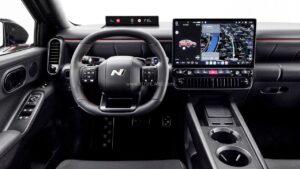
The Hyundai Ioniq 3 is likely to be priced competitively:
Estimated Price: ₹15 lakh – ₹25 lakh
This would position it as a strong rival to upcoming affordable EVs in India.
Competition in the EV Market
The Ioniq 3 will compete with:
- Tata EV lineup
- MG electric vehicles
- Upcoming budget EVs from global brands
Its key advantage lies in efficiency, brand trust, and advanced technology.
Pros & Cons
Pros:
- High efficiency and improved range
- Affordable pricing strategy
- Advanced smart features
- Compact and practical design
Cons:
- Not as powerful as premium EVs
- Limited initial availability
- Charging infrastructure still evolving
Future of Hyundai EV Strategy
The Hyundai Ioniq 3 is a crucial part of Hyundai’s long-term EV roadmap. With the EV2 platform, the company is aiming to:
- Expand its EV portfolio
- Reduce costs
- Improve efficiency
- Increase global EV adoption
This strategy will help Hyundai compete strongly in the mass-market EV segment.
Conclusion
The Hyundai Ioniq 3 represents a significant shift toward affordable and efficient electric mobility. By leveraging the EV2 platform, Hyundai Motor Company is making EVs more practical for everyday users without compromising on technology or performance.
With its focus on efficiency, affordability, and innovation, the Ioniq 3 could become a game-changer in the electric vehicle market, especially in emerging economies like India.