

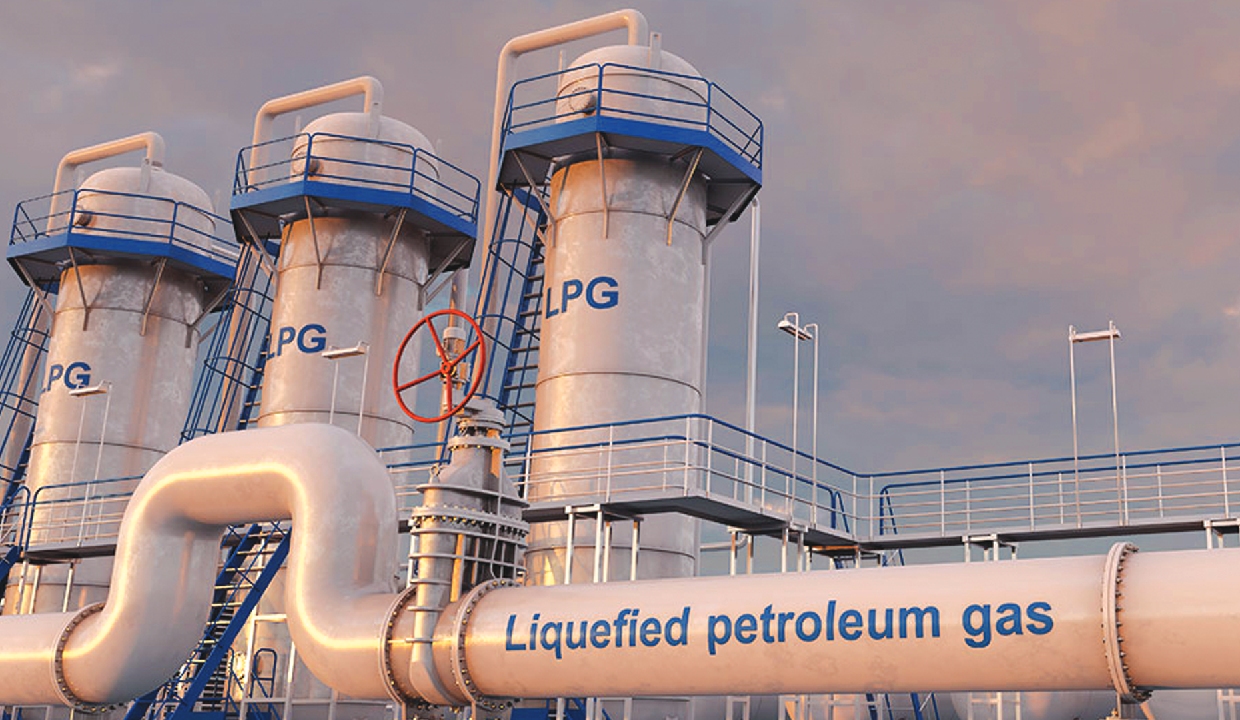
Liquefied Petroleum Gas (LPG) Demand Surges Across India: Rising Consumption, Government Initiatives, and Future Outlook
LPG Consumption in Focus as India Witnesses Growing Energy Demand
Liquefied Petroleum Gas (LPG) continues to play a crucial role in India’s energy landscape, with demand increasing steadily across urban and rural regions. As households, businesses, and industries seek cleaner and more efficient fuel alternatives, LPG has emerged as one of the most preferred energy sources in the country.
Recent reports indicate that India’s LPG consumption has witnessed significant growth due to expanding domestic connections, government welfare schemes, and rising awareness regarding clean cooking fuels. Industry experts believe that LPG will remain a key component of India’s energy transition strategy in the coming years.
The latest developments in the LPG sector have attracted attention from policymakers, oil marketing companies, consumers, and investors alike.
What Is Liquefied Petroleum Gas (LPG)?
Liquefied Petroleum Gas, commonly known as LPG, is a flammable hydrocarbon gas primarily composed of propane and butane. It is stored and transported in liquid form under moderate pressure, making it convenient for domestic and commercial use.
LPG is widely used for:
- Household cooking
- Commercial kitchens
- Hotels and restaurants
- Industrial heating
- Agricultural applications
- Automotive fuel in some regions
Compared to traditional fuels such as firewood, coal, and kerosene, LPG offers cleaner combustion and lower emissions.
Why LPG Remains Important for India
India is one of the world’s largest consumers of LPG. Over the last decade, the government has made significant efforts to increase LPG penetration, particularly in rural areas.
Several factors have contributed to LPG’s growing importance:
Clean Cooking Solution
LPG burns more efficiently and produces fewer pollutants than conventional cooking fuels.
This helps reduce:
- Indoor air pollution
- Respiratory illnesses
- Environmental degradation
- Health risks for women and children
Convenience and Efficiency
LPG provides instant heat and requires minimal maintenance compared to traditional cooking methods.
Households prefer LPG because it:
- Saves time
- Improves cooking efficiency
- Reduces smoke exposure
- Enhances kitchen safety
Energy Security
LPG plays a key role in diversifying India’s energy mix and reducing dependence on traditional biomass fuels.
LPG Demand Rising Across Urban and Rural Markets

Industry data suggests that LPG consumption continues to rise as more households gain access to clean cooking fuel.
Urban Demand Growth
In cities and metropolitan regions, LPG remains the dominant cooking fuel due to convenience and widespread availability.
Key drivers include:
- Growing population
- Increasing apartment housing
- Expansion of food delivery businesses
- Rising disposable incomes
Rural Market Expansion
Government initiatives have significantly improved LPG access in villages and remote regions.
Millions of rural households that previously relied on firewood and dung cakes have switched to LPG for daily cooking needs.
Experts note that rural demand remains one of the strongest growth segments for the LPG industry.
Government Schemes Boost LPG Adoption
The Indian government has introduced several programs to encourage LPG adoption among economically weaker sections.
PM Ujjwala Yojana
One of the most successful initiatives has been the Pradhan Mantri Ujjwala Yojana (PMUY), which aims to provide LPG connections to low-income households.
The scheme has helped millions of families access clean cooking fuel.
Major benefits include:
- Improved health outcomes
- Reduced indoor pollution
- Enhanced quality of life
- Increased energy access
Subsidy Support
Government subsidies continue to make LPG more affordable for eligible consumers.
These financial benefits help households manage cooking fuel expenses amid changing market conditions.
LPG Price Trends and Consumer Impact
LPG prices remain a major concern for consumers.
Domestic LPG cylinder prices are influenced by several factors:
Global Crude Oil Prices
International crude oil movements significantly affect LPG pricing.
When crude prices rise, LPG import costs generally increase.
Currency Exchange Rates
A weaker Indian rupee can increase import expenses, resulting in higher LPG prices.
Government Policies
Taxation, subsidies, and pricing mechanisms also impact the final cost paid by consumers.
Industry observers note that balancing affordability and market realities remains a key challenge for policymakers.
LPG Industry Investments on the Rise
To meet growing demand, oil marketing companies are investing heavily in infrastructure expansion.
Storage Facilities
New LPG storage terminals are being developed across the country.
These facilities improve supply chain efficiency and reduce transportation bottlenecks.
Distribution Network Expansion
Companies are expanding LPG distributorships and delivery networks to serve more consumers.
This is particularly important for remote and underserved regions.
Import Infrastructure
India continues to strengthen its LPG import capabilities through modern terminals and port facilities.
Such investments are expected to support long-term energy security goals.
Environmental Benefits of LPG
As concerns over climate change and air pollution grow, LPG is increasingly viewed as a cleaner fuel option.
Reduced Carbon Emissions
Compared to coal and biomass, LPG generates lower greenhouse gas emissions.
This contributes to cleaner air and improved environmental outcomes.
Lower Indoor Pollution
Traditional cooking methods often expose families to harmful smoke.
LPG helps eliminate many of these health hazards.
Sustainable Transition Fuel
While renewable energy adoption continues to increase, LPG serves as an important transition fuel during the shift toward cleaner energy systems.
Industrial Applications Driving Additional Growth
Beyond household use, LPG is becoming increasingly important in industrial operations.
Industries use LPG for:
- Manufacturing processes
- Metal cutting
- Food processing
- Ceramics production
- Textile operations
Benefits include:
- Higher efficiency
- Cleaner combustion
- Reduced maintenance costs
- Better temperature control
Industrial demand is expected to contribute significantly to future LPG consumption growth.
Challenges Facing the LPG Sector
Despite strong growth, the LPG industry faces several challenges.
Import Dependence
India imports a substantial portion of its LPG requirements.
This makes the sector vulnerable to:
- Global price volatility
- Geopolitical tensions
- Supply disruptions
Affordability Concerns
Higher LPG prices can impact consumption patterns, especially among low-income households.
Maintaining affordability remains a priority for policymakers.
Infrastructure Gaps
Although distribution networks have improved, some remote regions still face logistical challenges.
Continued investment is needed to ensure reliable supply nationwide.
Technological Advancements in LPG Distribution
Technology is transforming how LPG is delivered and managed.
Recent innovations include:
Digital Booking Systems
Consumers can now book LPG cylinders through mobile applications and online platforms.
Smart Monitoring Solutions
Advanced systems help distributors monitor inventory levels and improve delivery efficiency.
Enhanced Safety Standards
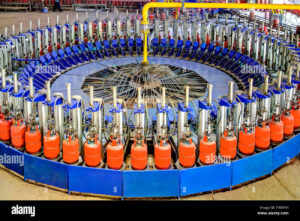
Modern cylinder manufacturing and leak detection technologies have improved consumer safety.
These developments are helping strengthen confidence in LPG as a reliable fuel source.
Future Outlook for LPG in India
Industry experts remain optimistic about LPG’s long-term prospects.
Several factors are expected to support continued growth:
- Expanding consumer base
- Government support programs
- Infrastructure investments
- Industrial demand
- Rising awareness about clean energy
Although renewable energy technologies are gaining momentum, LPG is likely to remain a critical energy source for millions of households and businesses.
Analysts believe demand will continue to grow steadily over the next decade as India pursues economic development and energy access goals.
Conclusion
Liquefied Petroleum Gas (LPG) has become an indispensable part of India’s energy ecosystem. Rising demand, government-backed initiatives, infrastructure expansion, and growing awareness about clean cooking fuels have strengthened LPG’s position as one of the country’s most important energy resources.
From improving public health and reducing indoor pollution to supporting industrial growth and enhancing energy security, LPG offers multiple benefits across sectors. While challenges such as import dependence and affordability remain, ongoing investments and policy support are expected to drive further growth.
As India continues its journey toward cleaner and more sustainable energy solutions, LPG is set to play a vital role in bridging the gap between traditional fuels and future renewable energy systems.