

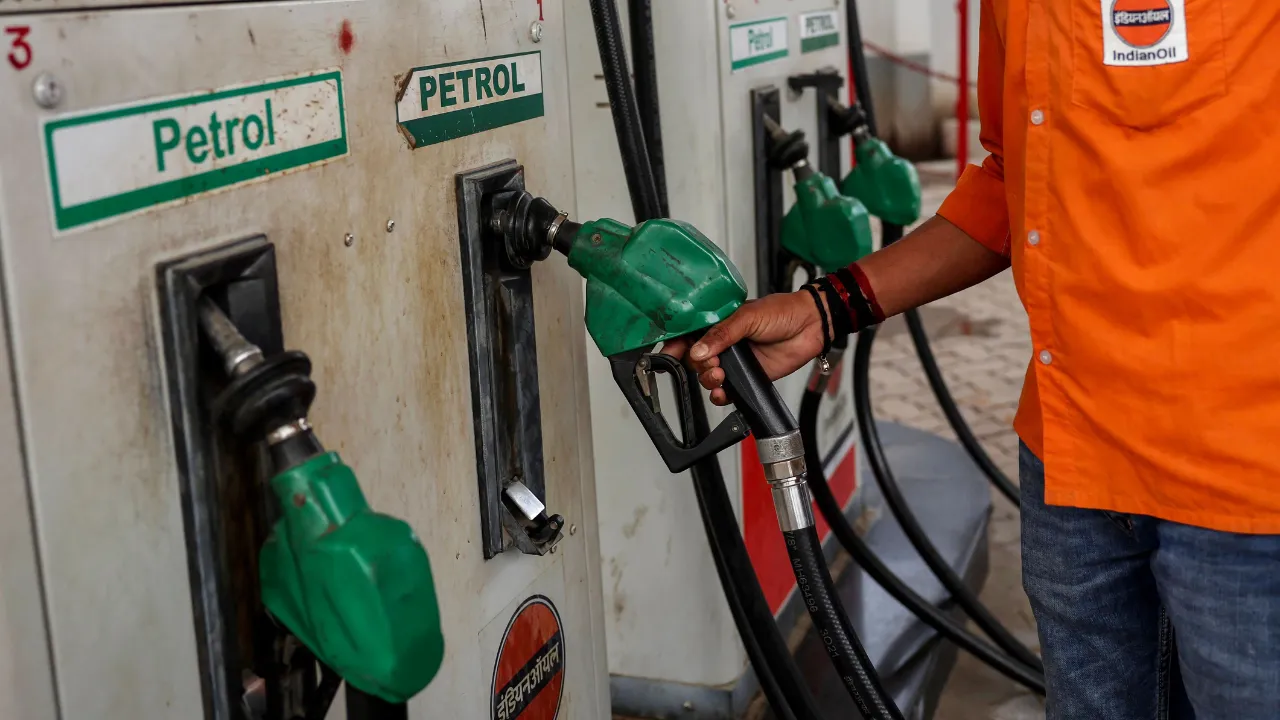
Petrol Diesel Price Hike: Fuel Rates Rise Again, Common Citizens Feel the Pressure
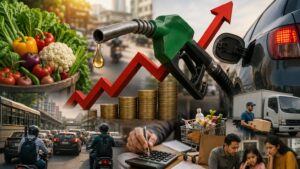
The latest petrol diesel price hike has once again become a major concern for millions of people across India. Rising fuel prices are directly impacting household budgets, transportation costs, and inflation, making it one of the most discussed economic issues in the country right now.
With global crude oil prices witnessing volatility and international geopolitical tensions affecting supply chains, fuel rates in India have remained under pressure. Consumers in several cities woke up to revised petrol and diesel prices, triggering fresh debates over inflation and the rising cost of living.
The increase in fuel prices is expected to affect not just vehicle owners but also businesses, logistics companies, and daily commuters. Experts believe that the ripple effect of rising petrol and diesel prices could soon be visible across multiple sectors of the economy.
Petrol and Diesel Prices Increase Across Major Cities
The latest revision in fuel rates has impacted major metropolitan cities including New Delhi, Mumbai, Kolkata, and Chennai.
Petrol prices in several regions crossed significant psychological levels, while diesel prices also recorded noticeable increases. Fuel prices vary from state to state depending on local taxes, VAT rates, and transportation costs.
In many states, consumers are already paying among the highest fuel prices seen in recent months. The continuous fluctuation in rates has increased financial pressure on middle-class families and commercial vehicle operators.
Why Petrol Diesel Prices Are Increasing
There are several reasons behind the latest petrol diesel price hike in India.
Global Crude Oil Prices
One of the biggest factors affecting domestic fuel prices is the rise in global crude oil prices. International crude markets have witnessed strong fluctuations due to geopolitical conflicts, production cuts, and supply concerns.
When crude oil becomes expensive globally, oil marketing companies in India also face higher import costs. Since India imports a major portion of its crude oil requirements, global trends directly impact domestic fuel pricing.
Currency Exchange Rates
The value of the Indian rupee against the US dollar also plays a major role. Crude oil transactions are largely conducted in dollars, so a weaker rupee increases the cost of imports.
A depreciating currency often leads to higher fuel prices even if crude oil prices remain stable internationally.
Taxes and State VAT
Central excise duties and state-level VAT contribute significantly to the final retail prices of petrol and diesel.
Different states impose different tax rates, which is why fuel prices vary across India. Any increase in taxes further raises the burden on consumers.
Transportation and Distribution Costs
Fuel transportation, dealer commissions, and logistics expenses also affect retail fuel prices. Rising operational costs can indirectly contribute to price hikes.
Impact on Common Citizens
The petrol diesel price hike is expected to affect ordinary citizens the most.
Daily commuters who rely on personal vehicles will see higher monthly fuel expenses. Families already struggling with rising food prices and utility bills may face additional financial stress.
Auto-rickshaw drivers, cab operators, and delivery workers are also among the worst affected groups. Increased fuel costs reduce profit margins and force many transport operators to increase fares.
The impact is especially severe for middle-class households and small business owners who depend heavily on transportation for work and daily activities.
Inflation Concerns Rise
Economists warn that rising fuel prices can contribute to inflation across the economy.
Transportation costs influence the prices of essential goods such as vegetables, fruits, milk, medicines, and consumer products. When diesel prices increase, logistics and freight expenses also rise, eventually impacting retail markets.
Higher petrol and diesel prices can therefore create a chain reaction affecting almost every sector of the economy.
Inflation concerns become even more serious when fuel prices rise consistently over a longer period.
Transport and Logistics Sector Under Pressure
The transport industry is one of the sectors most affected by rising diesel prices.
Truck operators and logistics companies depend heavily on diesel-powered vehicles for transporting goods across India. Higher diesel prices increase operating costs substantially.
Industry experts believe that transport companies may soon revise freight charges to offset rising expenses. This could further increase the prices of everyday products in markets.
Public transportation services may also face pressure to revise ticket prices if fuel rates continue climbing.
Automobile Industry Watches Closely
The latest fuel price hike may influence consumer buying decisions in the automobile market.
As petrol and diesel become more expensive, many buyers may increasingly consider electric vehicles and hybrid cars as cost-saving alternatives.
Automobile manufacturers are already investing heavily in EV technology as consumer interest in fuel-efficient vehicles continues growing.
Companies like Tata Motors, Mahindra & Mahindra, and Maruti Suzuki are expanding their electric vehicle portfolios rapidly.
The shift toward electric mobility may accelerate further if fuel prices remain high.
Government Response on Fuel Prices
The central and state governments often face public pressure whenever fuel prices rise sharply.
Opposition parties frequently criticize fuel price hikes and demand tax reductions to provide relief to citizens. Political debates over petrol and diesel prices usually intensify during periods of high inflation.
Government officials, however, often point to international crude oil prices and global market conditions as key reasons behind rising rates.
There have been discussions in the past about reducing taxes or bringing petrol and diesel under the GST system, but no major nationwide change has been implemented so far.
Experts Predict Further Volatility
Energy market analysts believe fuel prices may remain volatile in the coming weeks.
Several factors could influence future price movements, including:
- Global crude oil demand
- OPEC production decisions
- Geopolitical tensions
- Currency fluctuations
- Seasonal fuel demand
- International supply disruptions
If crude oil prices continue rising internationally, domestic petrol and diesel prices in India may remain elevated.
However, any easing in global tensions or increase in oil production could provide temporary relief.
Consumers Look for Fuel-Saving Alternatives
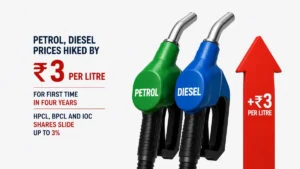
As fuel prices rise, consumers are increasingly searching for ways to reduce expenses.
Some popular strategies include:
- Using public transport
- Carpooling
- Switching to CNG vehicles
- Buying electric scooters
- Maintaining proper tire pressure
- Reducing unnecessary travel
- Choosing fuel-efficient vehicles
The demand for electric two-wheelers and hybrid vehicles has increased significantly in recent years due to rising fuel costs.
Consumers are becoming more conscious about fuel efficiency and long-term savings while purchasing vehicles.
Fuel Price Hike and Economic Sentiment
The petrol diesel price hike also affects overall public sentiment regarding the economy.
When fuel prices rise, consumers often reduce discretionary spending to manage household budgets. This can indirectly impact retail businesses, tourism, hospitality, and other sectors dependent on consumer spending.
Small businesses that rely heavily on transportation and delivery services may also face operational challenges.
Experts believe stable fuel prices are important for maintaining economic confidence and controlling inflationary pressure.
Social Media Reactions Pour In
The latest fuel price hike quickly became a trending topic on social media platforms.
Many users expressed frustration over rising daily expenses, while others debated global crude oil markets and government tax policies.
Memes, political reactions, and public discussions dominated online conversations as citizens shared concerns about inflation and the increasing cost of living.
Fuel prices remain one of the most emotionally discussed economic topics in India because they directly affect everyday life.
Conclusion
The latest petrol diesel price hike has once again highlighted the challenges faced by consumers amid global economic uncertainty and rising inflation.
Higher fuel prices are not only affecting vehicle owners but also influencing transportation costs, logistics, retail prices, and overall economic sentiment. As crude oil markets remain volatile, uncertainty surrounding future fuel prices continues to worry both consumers and businesses.
While governments and oil companies monitor international developments closely, ordinary citizens are hoping for some relief from rising fuel expenses in the coming months.
For now, the petrol diesel price hike remains one of the biggest economic talking points across India, with millions closely tracking daily fuel price updates and their impact on household budgets.